

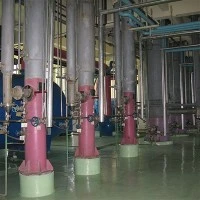
As biotechnology, fermentation engineering, and modern biomanufacturing continue to develop, pilot-scale fermenters are playing an increasingly important role in process development, technology validation, and scale-up. Positioned between laboratory research and full-scale manufacturing, these systems allow fermentation processes to be evaluated under conditions that more closely resemble those of industrial production. The resulting data can provide an important foundation for process optimization and commercial implementation.
A pilot-scale fermenter is a specialized system used to conduct biological fermentation and cultivation at an intermediate scale. Its primary purpose is to bridge the technical gap between laboratory development and industrial manufacturing. With a larger working volume than laboratory systems while retaining precise process monitoring and control capabilities, a pilot fermenter is well suited for process validation, parameter optimization, and scale-up studies.
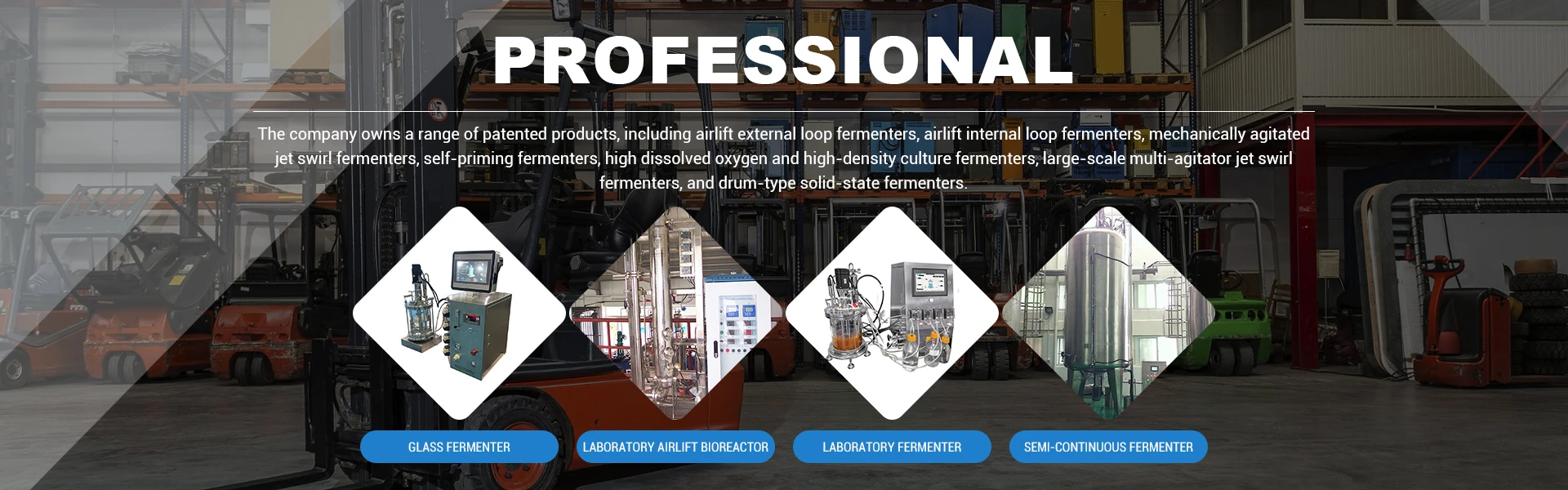
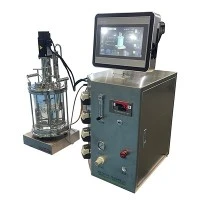
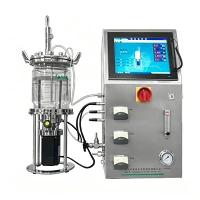
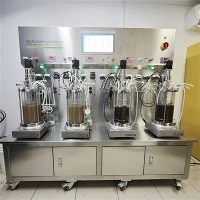
A typical pilot-scale fermenter consists of a vessel, agitation system, aeration system, temperature control unit, pH control system, online monitoring equipment, and automated control platform. Depending on the process, additional functions such as nutrient feeding, foam control, sampling, and material transfer can also be integrated. These systems work together to maintain suitable cultivation conditions and provide continuous information about the fermentation process.
Compared with laboratory-scale equipment, pilot fermenters place greater emphasis on the practical challenges associated with scale-up. As the working volume increases, mixing, heat transfer, mass transfer, and oxygen delivery can behave differently. Parameters established during laboratory experiments therefore cannot always be transferred directly to industrial production. Pilot-scale trials provide an opportunity to verify process conditions at a larger scale and refine them based on actual operating performance.
Another major purpose of a pilot fermenter is to evaluate process feasibility and stability. Researchers can systematically investigate factors such as culture medium composition, temperature, pH, agitation, aeration, and feeding strategies while collecting detailed process data. The results can reveal potential limitations and provide useful guidance for selecting industrial equipment and establishing production parameters.
Pilot-scale fermenters are used in a wide range of fields, including microbial fermentation, food biotechnology, biopharmaceutical development, agricultural biotechnology, and modern biomanufacturing. As automation, online sensing, and digital process technologies continue to advance, pilot fermentation systems are becoming increasingly precise, integrated, and intelligent.
A pilot-scale fermenter is therefore more than a simple enlargement of laboratory equipment. It is a critical technical platform that connects research with manufacturing. By validating processes and generating reliable scale-up data, pilot fermentation systems can reduce development risks and provide stronger support for translating laboratory innovations into stable industrial production.