

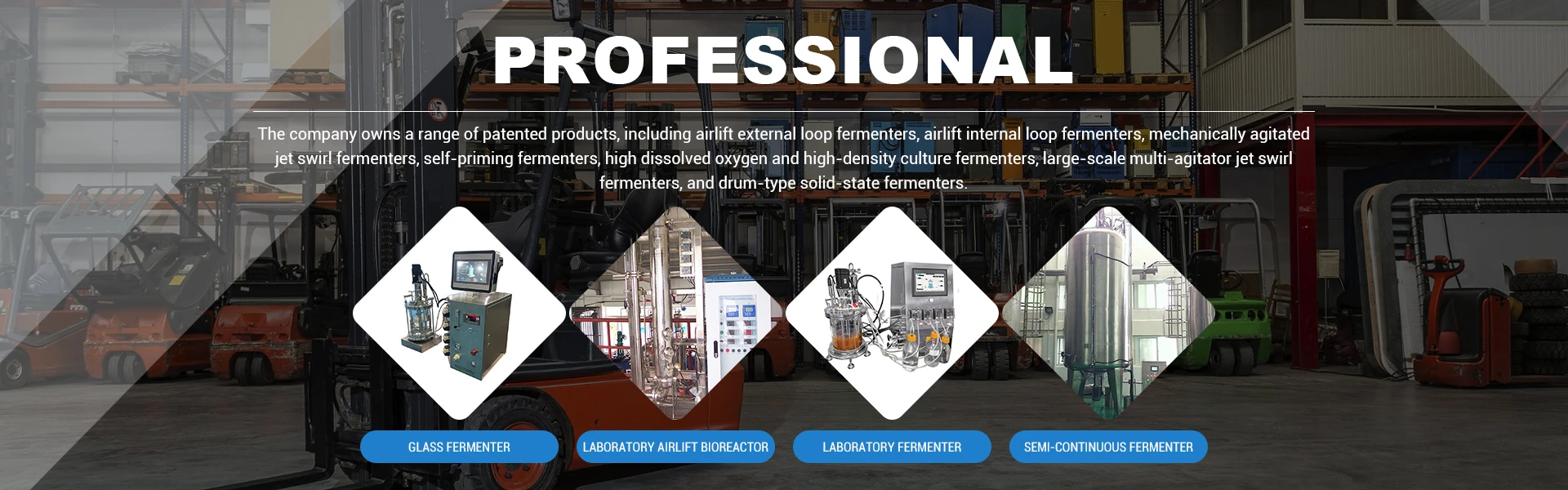
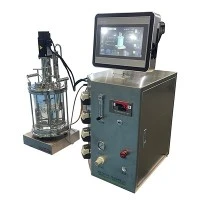
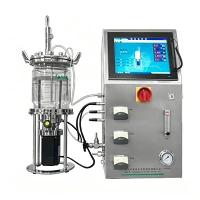
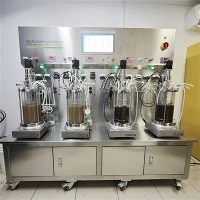
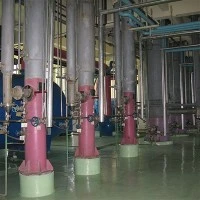
As biomanufacturing, fermentation engineering, and food biotechnology continue to advance, pilot-scale fermenters play an important role in process validation, optimization, and scale-up. Positioned between laboratory research and full-scale production, a pilot fermenter is designed to reproduce key production conditions at an intermediate scale. This allows researchers and process engineers to generate practical data and evaluate whether a laboratory-developed process can operate reliably at a larger scale.
A pilot-scale fermenter works by placing the culture medium, microbial inoculum, or other biological materials inside a controlled vessel. The system uses agitation, aeration, temperature regulation, pH control, and nutrient feeding to maintain conditions suitable for biological growth and metabolism. During operation, sensors continuously monitor critical parameters such as temperature, pH, and dissolved oxygen. The control system compares the measured values with the target settings and adjusts the relevant control elements to keep the process within the desired operating range.
The agitation system is a central component of a pilot fermenter. It circulates and mixes the culture medium, helping maintain a more uniform distribution of nutrients, temperature, and dissolved oxygen throughout the vessel. Agitation also promotes gas–liquid contact and improves oxygen transfer from the gas phase into the culture. In aerobic fermentation, agitation speed can be adjusted in response to dissolved oxygen levels to meet changing oxygen requirements as the culture develops.
The aeration system supplies air or other process gases to the fermentation vessel. Gas enters through the designated inlet and is dispersed into the culture, where it interacts with the liquid phase. By controlling gas flow and, when appropriate, coordinating it with agitation, the system can improve oxygen transfer and maintain a suitable gas supply throughout the process.
Temperature and pH control systems help maintain an environment suitable for microbial or cellular growth. Temperature can be regulated through heating or cooling, while the pH control system responds to online measurements by adding appropriate acidic or alkaline solutions. For fed-batch processes, nutrients or substrates can also be introduced according to a predefined feeding strategy to support different stages of cultivation.
Compared with laboratory-scale systems, pilot fermenters place greater emphasis on scale-up challenges involving mixing, heat transfer, mass transfer, and oxygen supply. Running a process at pilot scale allows researchers to determine whether laboratory-derived parameters remain effective at a larger volume and to identify potential equipment or process limitations before full-scale production.
With continued advances in automation, online monitoring, and digital process control, pilot-scale fermenters are becoming more precise and sophisticated. They serve not only as essential platforms for fermentation process validation but also as a critical link between laboratory innovation and reliable industrial manufacturing.