

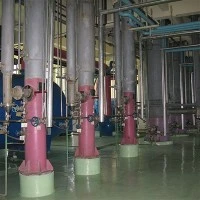
As biotechnology, fermentation engineering, and modern biomanufacturing continue to advance, pilot-scale fermenters are playing an increasingly important role in bringing laboratory-developed processes closer to commercial production. Positioned between laboratory research and industrial manufacturing, these systems allow fermentation processes to be evaluated under more production-relevant conditions. They help researchers validate process feasibility, optimize operating parameters, and generate valuable data for scale-up.
One of the primary functions of a pilot-scale fermenter is to validate laboratory-developed fermentation processes. Parameters established in laboratory systems, including temperature, pH, dissolved oxygen, agitation speed, and aeration, may behave differently when the working volume increases. Pilot-scale trials allow researchers to examine mixing, oxygen transfer, temperature regulation, and material handling at a larger scale and determine whether the laboratory process can be successfully transferred to the next stage of development.
Process optimization is another major function. Researchers can use real-time process data to adjust temperature, pH, agitation, aeration, and feeding conditions and evaluate how different operating strategies affect microbial growth and product formation. Repeated trials can help identify more suitable operating conditions and improve overall process stability.
Pilot-scale fermenters are also essential for scale-up studies. As fermentation volume increases, challenges associated with mixing, mass transfer, heat transfer, and oxygen supply become more significant. Pilot operation provides an opportunity to investigate these factors before full-scale manufacturing. The resulting information can help determine whether laboratory parameters remain appropriate at larger volumes and can provide useful guidance for industrial equipment design and production strategies.
Another important role is evaluating process consistency and reproducibility. By conducting multiple pilot-scale runs and continuously recording parameters such as temperature, pH, dissolved oxygen, agitation speed, and aeration, researchers can compare different batches and identify factors that may affect process stability. These findings can provide valuable experience for subsequent manufacturing operations.
Pilot-scale fermenters are used across a wide range of industries, including microbial fermentation, food biotechnology, biopharmaceutical development, agricultural biotechnology, and modern biomanufacturing. Their purpose extends beyond simply increasing cultivation volume. They provide a controlled platform for evaluating processes, generating scale-up data, and reducing uncertainties during the transition toward commercial production.
With continued advances in automation, online monitoring, and digital process management, pilot-scale fermenters are becoming increasingly sophisticated. More precise process control and improved data analysis will further strengthen their role as a bridge between research and manufacturing, supporting the efficient, stable, and scalable development of modern bioprocesses.