

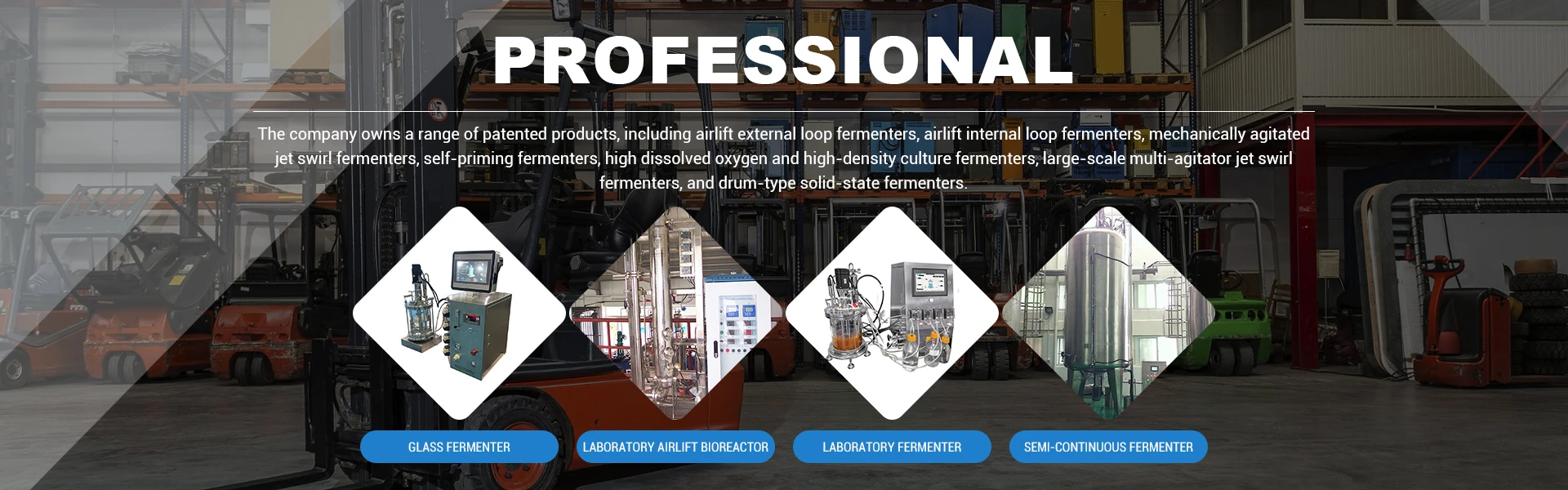
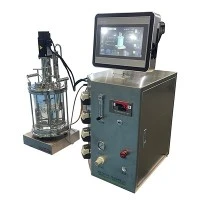
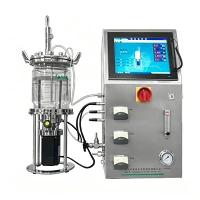
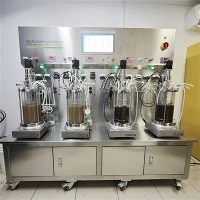
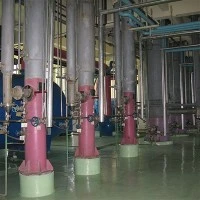
As biotechnology, fermentation engineering, and modern biomanufacturing continue to advance, pilot-scale fermenters have become essential tools for transferring laboratory processes toward commercial production. With a wide range of vessel sizes, configurations, and control options available, selecting the right system requires careful consideration. A well-matched fermenter can improve experimental efficiency while providing more reliable data for subsequent process scale-up.
The first step is to define the biological system and process requirements. Different microorganisms, cell cultures, and fermentation products can have very different requirements for temperature, pH, dissolved oxygen, agitation, and shear conditions. Aerobic microbial processes generally require effective aeration, agitation, and oxygen transfer, while shear-sensitive cultures may require particular attention to the agitation method and fluid dynamics. Selecting equipment based on the characteristics of the process helps ensure that the system is suitable for the intended application.
Vessel volume is another important consideration. Pilot-scale fermenters are intended to bridge laboratory development and industrial production, so the selected capacity should reflect both the current development stage and the planned scale-up strategy. A vessel that is too small may not adequately demonstrate scale-dependent process behavior, while an unnecessarily large system can increase investment and operational complexity. The appropriate working volume should balance experimental value, equipment cost, and future scale-up requirements.
The agitation and aeration systems should also be evaluated carefully. Effective mixing helps maintain relatively uniform conditions throughout the culture, while consistent gas delivery is critical for oxygen transfer in aerobic processes. Selection should take into account the available agitation range, impeller configuration, aeration method, and dissolved oxygen control capability to ensure that the equipment can meet the requirements of the target process.
Automation and online monitoring capabilities are equally important. Parameters such as temperature, pH, and dissolved oxygen often need to be monitored continuously during cultivation. Reliable sensors and control systems can improve the responsiveness of process regulation while providing researchers with comprehensive process data. If more advanced feeding strategies or automated experiments are planned, it is also worth considering data logging, automated feeding, and system expansion capabilities.
Other factors, including equipment materials, sealing performance, cleaning requirements, maintenance, and safety features, should also be considered during equipment selection. A well-designed system can simplify routine maintenance and contribute to reliable long-term operation.
Ultimately, selecting a pilot-scale fermenter should involve more than comparing price or vessel capacity. Biological requirements, process conditions, scale-up objectives, control capabilities, and maintenance considerations should all be evaluated together. Choosing a system that closely matches the intended research and development needs can improve experimental efficiency, increase the value of process data, and establish a stronger technical foundation for future industrial implementation.