

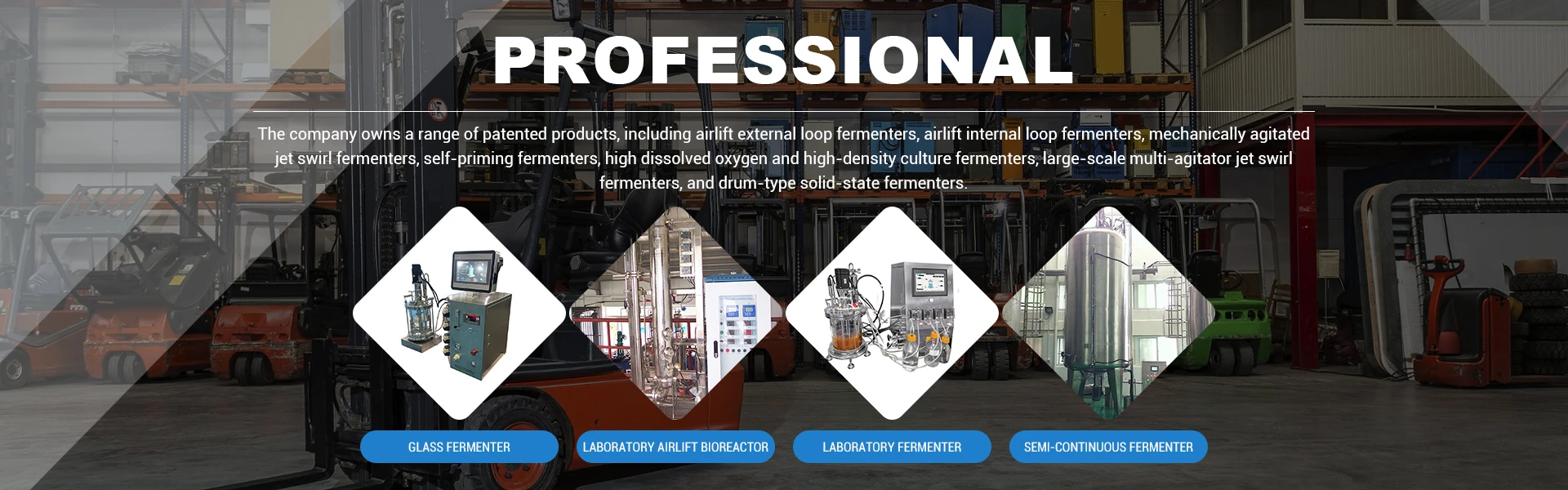
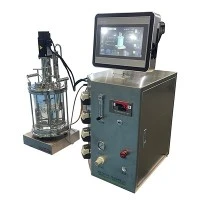
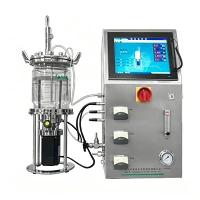
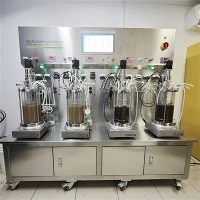
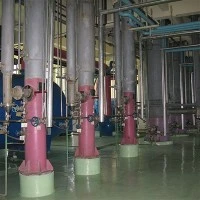
As biotechnology, fermentation engineering, and modern biomanufacturing continue to advance, pilot-scale fermenters are playing an increasingly important role in transferring laboratory processes toward commercial production. As a key link between bench-scale research and industrial manufacturing, these systems must provide stable cultivation conditions while addressing changes in mixing, mass transfer, heat transfer, and oxygen supply that occur as process volume increases. Their structural design therefore places strong emphasis on integration, process control, and operational reliability.
The vessel is the core structural component of a pilot-scale fermenter. It is typically constructed from materials suitable for bioprocess applications and designed with an appropriate working volume, configuration, and range of process connections. The internal geometry should support effective mixing while providing dedicated connections for feeding, sampling, drainage, aeration, and other process operations. A well-designed vessel provides the foundation for efficient agitation, aeration, and temperature management.
The agitation system is critical for mixing and mass transfer. A typical pilot fermenter incorporates a motor, drive shaft, and impellers that circulate the culture medium and promote a more uniform distribution of nutrients, temperature, and dissolved oxygen. Different impeller configurations can be selected according to the biological system and process requirements, allowing the system to balance mixing performance with the specific needs of the culture.
The aeration system works closely with the agitation system to promote efficient gas–liquid mass transfer. Process gases enter the vessel through dedicated gas lines and are dispersed into the culture medium to facilitate contact between the gas and liquid phases. For aerobic fermentation, effective gas delivery and oxygen transfer are particularly important, so pilot fermenters are designed with careful consideration of gas inlet, exhaust, and gas distribution arrangements.
Pilot-scale fermenters also integrate monitoring and control systems for parameters such as temperature, pH, and dissolved oxygen. Sensors continuously collect process data, while the control system uses this information to regulate heating, cooling, agitation, aeration, feeding, and other operating functions. Depending on process requirements, additional modules such as foam control, liquid-level monitoring, and automated feeding can be incorporated to provide more comprehensive process management.
Piping and sealing systems are also important elements of pilot fermenter design. Properly arranged process lines support medium transfer, feeding, sampling, and discharge while facilitating cleaning and maintenance. Reliable sealing helps maintain a stable process environment and minimizes unwanted external influences during cultivation.
Overall, pilot-scale fermenters are characterized by integrated construction, flexible process control, and a design that supports scale-up studies. With continued advances in automation, online monitoring, and digital process technologies, their structural design is expected to become increasingly modular, intelligent, and efficient. These developments will further strengthen the role of pilot-scale fermenters in bioprocess validation, optimization, and the transition to large-scale production.