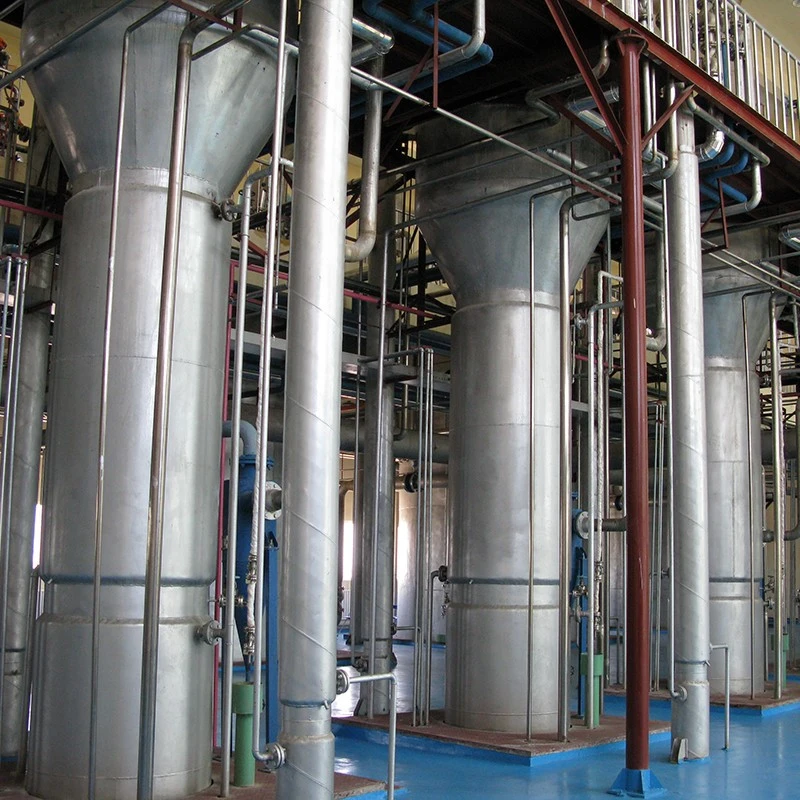

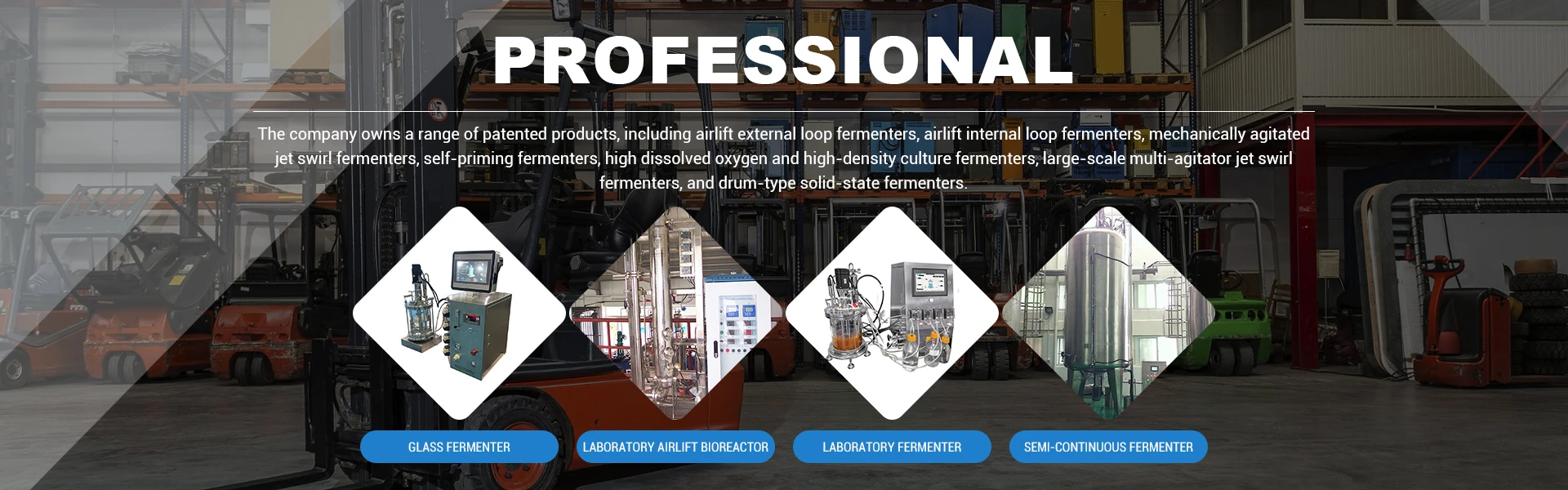
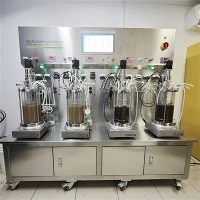
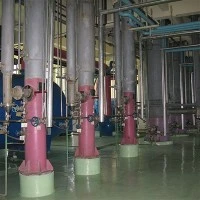
As biomanufacturing, food fermentation, biopharmaceutical production, and related industries continue to evolve, fermentation systems are facing increasingly diverse technical requirements. In addition to the main vessel, a complete fermenter relies on supporting equipment and components for agitation, aeration, temperature control, monitoring, feeding, cleaning, and automated operation. Each component performs a specific function, while their coordinated operation helps create a reliable and efficient fermentation platform.
The agitation system is one of the most important supporting assemblies. Motors, drive mechanisms, shafts, and impellers work together to circulate and mix the culture. Effective agitation promotes a more uniform distribution of nutrients, temperature, and dissolved oxygen throughout the vessel. It can also improve gas–liquid contact, supporting more efficient oxygen transfer in aerobic fermentation processes.
Aeration equipment provides and distributes process gases. Air filters, gas lines, spargers, and associated valves deliver air or other process gases into the fermenter. Working together with the agitation system, these components help disperse gas throughout the culture and improve gas–liquid mass transfer. For aerobic processes, a stable and well-controlled gas supply is essential for maintaining suitable cultivation conditions.
Temperature-control equipment regulates the fermentation environment. Components such as heat-transfer surfaces, jackets, circulation lines, heating units, and cooling systems can adjust the culture temperature according to process requirements. Combined with temperature sensors and control systems, they allow temperature changes to be detected and corrected in a timely manner.
Online monitoring components are essential for process control. Sensors for temperature, pH, dissolved oxygen, pressure, and liquid level continuously collect information about operating conditions and transmit the data to the control system. Real-time monitoring provides greater visibility into the fermentation process and supports timely adjustments when process conditions begin to change.
For fed-batch processes, feed pumps, flow-control devices, and associated piping deliver nutrients or substrates to the fermenter according to the process strategy. Foam-control equipment helps manage excessive foam generated during fermentation and can reduce its impact on aeration, sensors, and equipment operation.
Other important components include valves, filters, seals, sampling devices, and cleaning-related equipment. These components support material control, gas filtration, vessel integrity, sample collection, and cleaning operations. In processes with stringent hygienic requirements, their materials and structural design require particular attention.
With the continued development of automation, an increasing number of supporting components can be integrated with centralized control systems for data acquisition, process monitoring, and coordinated equipment operation. Although each component performs a different role, their combined operation improves the overall functionality and reliability of the fermentation system, providing essential equipment support for efficient large-scale fermentation production.