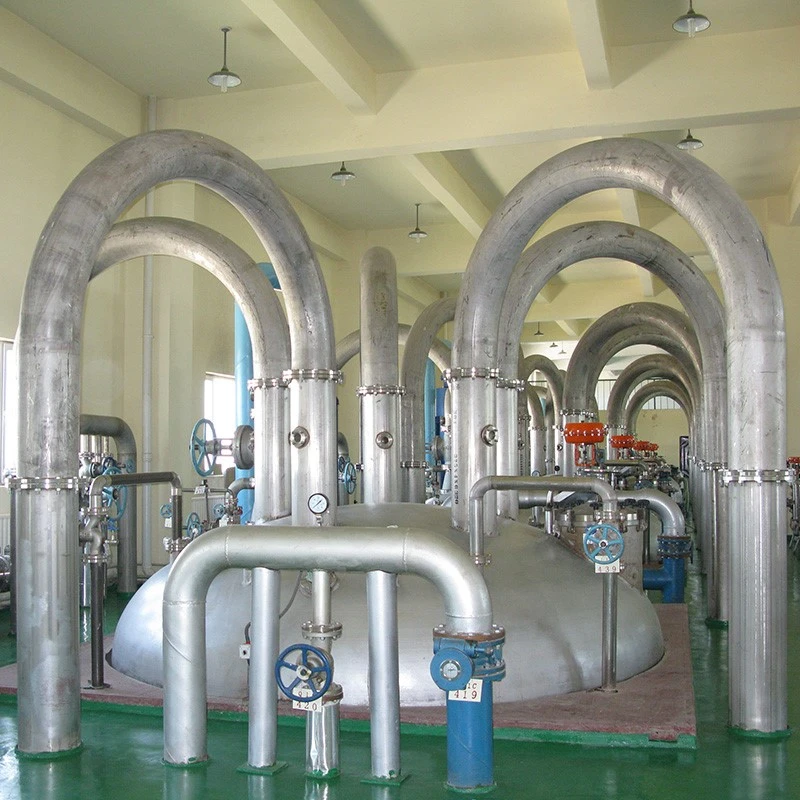

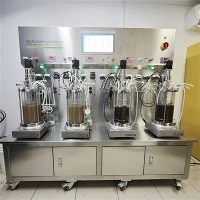
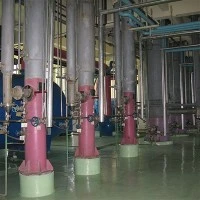
As biomanufacturing, food fermentation, biopharmaceutical production, and related industries continue to develop, fermentation production is moving beyond the operation of individual machines toward increasingly integrated and automated systems. A complete fermentation production system may include medium preparation, sterilization, fermentation, feeding, aeration, temperature control, online monitoring, cleaning, and downstream handling. These functional units work together according to a defined process flow to support the entire production cycle, from raw-material preparation to fermentation and product recovery.
The process begins with raw-material and culture-medium preparation. Water, carbon sources, nitrogen sources, and other required components are mixed according to the process specification to achieve the desired composition and concentration. The prepared medium is then subjected to an appropriate treatment process to reduce the risk of microbial contamination and create suitable conditions for inoculation and fermentation.
Once the treated medium enters the fermentation system, the production microorganism or other biological culture is introduced according to the process requirements. Inside the fermenter, the agitation system promotes circulation and uniform mixing, while the aeration system supplies air or other process gases. For aerobic fermentation, coordinated agitation and aeration improve gas–liquid mass transfer and help provide the conditions required for microbial growth and metabolism.
Throughout fermentation, temperature, pH, and dissolved oxygen must be continuously monitored and controlled. The temperature-control system uses heating or cooling to maintain the desired cultivation temperature. The pH control system responds to online measurements and adjusts the process when necessary, while dissolved oxygen sensors provide real-time information about oxygen availability. The control system can use these measurements to regulate agitation, aeration, feeding, and other operating parameters, keeping the culture environment within the defined process range.
For fed-batch processes, an automated feeding system delivers nutrients or substrates according to a predefined program or process conditions. This allows nutrient availability to be adjusted as the culture moves through different stages. A foam-control system can also be used when necessary to manage excessive foam and minimize its impact on fermentation performance and equipment operation.
The defining feature of an integrated production system is the coordinated operation of multiple functional units. Raw-material preparation, medium treatment, fermentation, process control, and downstream handling are not isolated activities. Instead, they are connected through piping, valves, sensors, and control systems to form a continuous process chain. Centralized automation can collect operating data from different parts of the system and execute control actions according to predefined conditions, improving process continuity and consistency.
After fermentation is complete, the process moves into product discharge and downstream handling according to the requirements of the specific application. The equipment can then undergo appropriate cleaning and maintenance to prepare the system for the next production cycle.
Overall, an integrated fermentation production system combines multiple functional modules into a coordinated process platform, covering everything from medium preparation to fermentation and subsequent handling. As automation, digitalization, and intelligent control technologies continue to advance, these systems are expected to provide more sophisticated monitoring and process management capabilities, supporting stable, efficient, and scalable production in modern biomanufacturing.