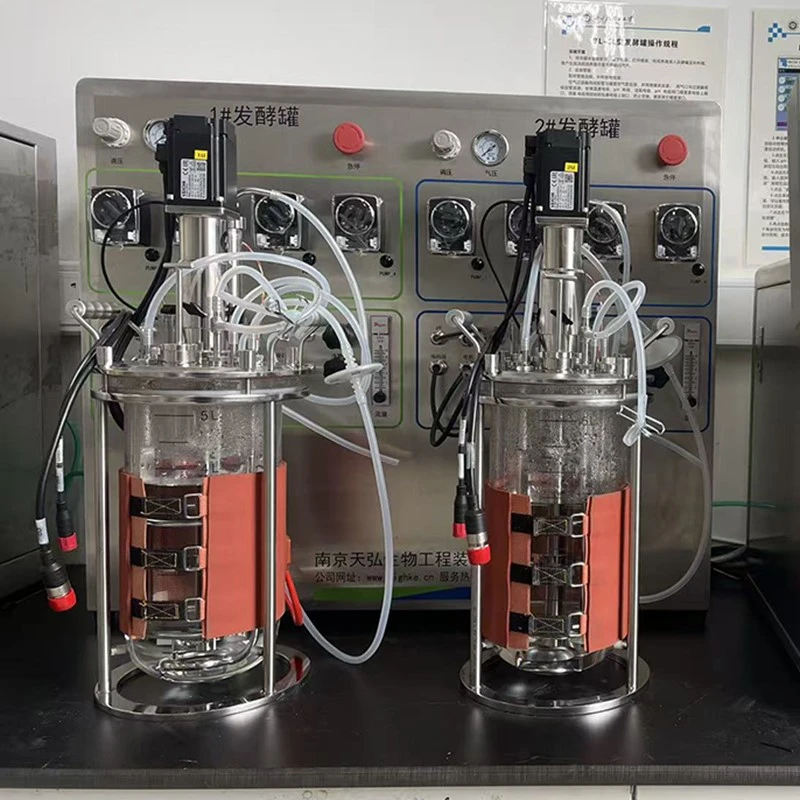

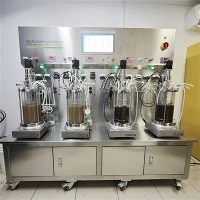
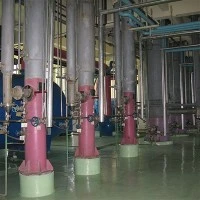
With rapid advances in synthetic biology, cell culture, biopharmaceuticals, and sustainable biomanufacturing, the development of new bioreactor technologies has become an important area of research in bioprocess engineering. Compared with conventional systems, next-generation bioreactors place greater emphasis on biological process requirements, mass transfer, process control, and system integration. By combining structural innovation with digital technologies, these systems can provide more flexible platforms for a wide range of biological cultivation and production processes.
Process-specific design is one of the defining characteristics of new bioreactor development. Different microorganisms, animal cells, plant cells, and other biological systems have distinct requirements for shear conditions, oxygen availability, nutrient transport, and environmental stability. As a result, developers increasingly tailor vessel geometry, agitation methods, gas-distribution systems, and operating parameters to the biological characteristics of the target culture.
Improved mixing and mass transfer is another major focus of technological development. As cultivation volumes increase, maintaining efficient oxygen transfer, carbon dioxide removal, heat exchange, and nutrient distribution becomes more challenging. New bioreactor designs address these issues by optimizing fluid dynamics, impeller configurations, and gas-distribution mechanisms to improve circulation and gas–liquid mass transfer, helping create a more uniform cultivation environment.
High-precision monitoring and intelligent process control are becoming increasingly important features of advanced bioreactors. Sensors can continuously monitor parameters such as temperature, pH, dissolved oxygen, pressure, and other process variables. When combined with automated control and data-analysis technologies, these systems can adjust operating conditions in response to real-time process information, moving biological production from experience-based operation toward more precise, data-driven control.
Modularity and scalability are also important characteristics of modern bioreactor development. Modular architectures allow vessel capacity, functional units, and control systems to be configured according to different research and production requirements. This can simplify equipment development, shorten configuration cycles, and make future upgrades easier to implement.
Automation, digitalization, and energy-efficient design are receiving growing attention as well. New bioreactors are expected not only to meet biological process requirements but also to address practical considerations such as energy consumption, maintenance, cleaning, and data management. Advanced systems can use digital platforms to monitor equipment status and record process data, providing useful information for process optimization.
Overall, new bioreactor technology development is characterized by process-oriented design, enhanced mass transfer, intelligent control, modular architecture, and increasing digital integration. As biomanufacturing continues to evolve, these technologies are expected to improve process controllability and production efficiency while providing more advanced equipment platforms for cell culture, microbial fermentation, and other bioprocessing applications.