

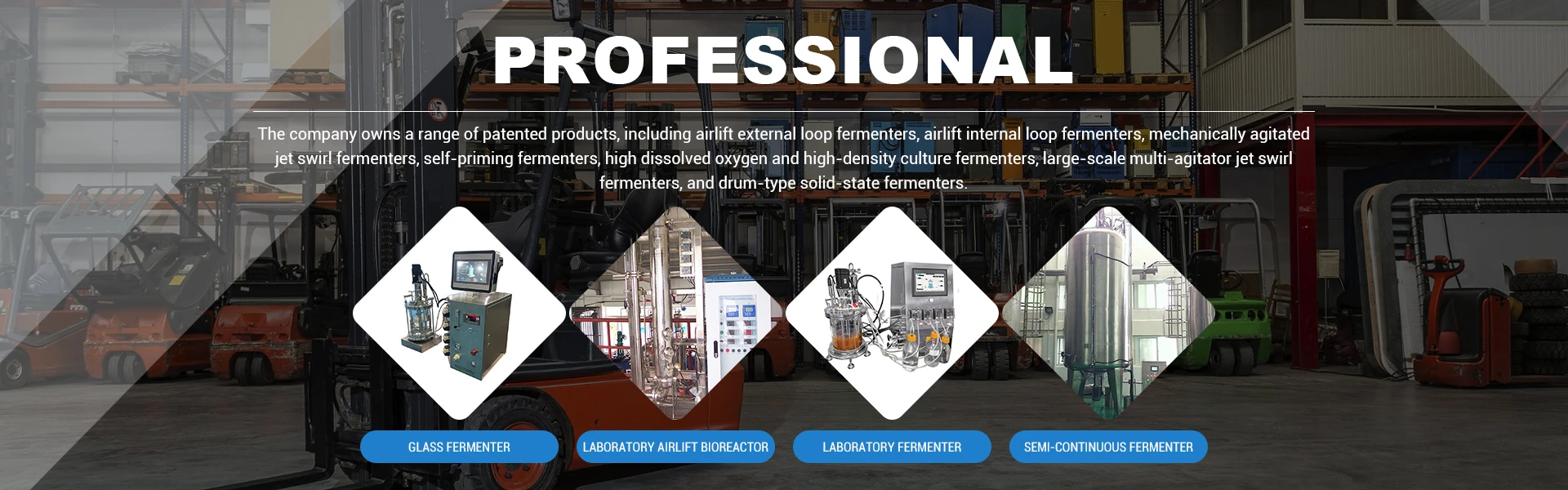
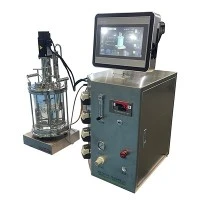
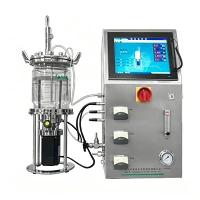
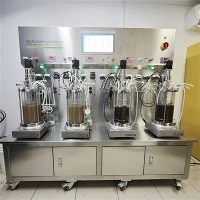
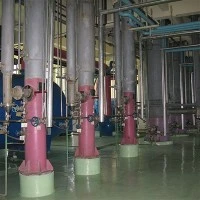
As biomanufacturing, food fermentation, pharmaceuticals, and specialty chemicals continue to expand, industrial-scale fermenters are facing increasingly demanding requirements for performance, process control, and production reliability. As essential equipment for large-scale biological manufacturing, these systems must provide stable cultivation conditions while integrating effective mixing, oxygen transfer, heat management, automation, and data handling. Advances in these technologies are creating new opportunities to improve production efficiency and process consistency.
Large-vessel design and fluid mixing technology provide the foundation for industrial-scale fermentation. As vessel volume increases, maintaining uniform mixing becomes more challenging, potentially resulting in temperature gradients, uneven nutrient distribution, or localized oxygen limitations. Engineers therefore need to consider vessel geometry, agitation methods, impeller configuration, and operating conditions as an integrated system. Effective circulation helps maintain a more consistent environment for microbial or cell growth.
Efficient oxygen transfer technology is another critical element of industrial fermentation. For aerobic processes, oxygen availability can have a direct impact on biomass growth and product formation. Industrial fermenters typically combine controlled aeration with mechanical agitation to improve gas–liquid contact and oxygen transfer. Online dissolved oxygen monitoring can further support adjustments to gas flow and agitation according to the changing needs of the culture.
Automated temperature and pH control helps maintain suitable cultivation conditions throughout production. Temperature sensors, heat-transfer systems, and pH measurement devices continuously monitor key process variables, while automated control systems adjust operating conditions as needed. Maintaining stable temperature and pH can reduce process fluctuations and contribute to greater consistency between production batches.
In modern manufacturing environments, automation and digital process control are becoming increasingly important. Integrated sensors, controllers, and data acquisition systems can provide continuous visibility into fermentation performance and generate comprehensive process records. Historical data can then be analyzed to identify process trends, optimize operating parameters, and improve equipment utilization and production management.
Hygienic design, cleaning, and sterilization technologies are also essential for industrial-scale fermenters. Proper piping layouts, reliable sealing systems, and appropriate cleaning and sterilization strategies help minimize contamination risks and improve maintenance efficiency. These capabilities are particularly important in facilities that operate multiple production batches or require frequent process changeovers.
With continued advances in smart manufacturing, online analysis, and digital technologies, industrial-scale fermenters are expected to become increasingly automated, intelligent, energy-efficient, and capable of supporting larger production volumes. By integrating multiple technologies into a coordinated process platform, industrial fermentation systems can better meet diverse manufacturing requirements and provide reliable technical support for efficient large-scale production in biomanufacturing and related industries.