

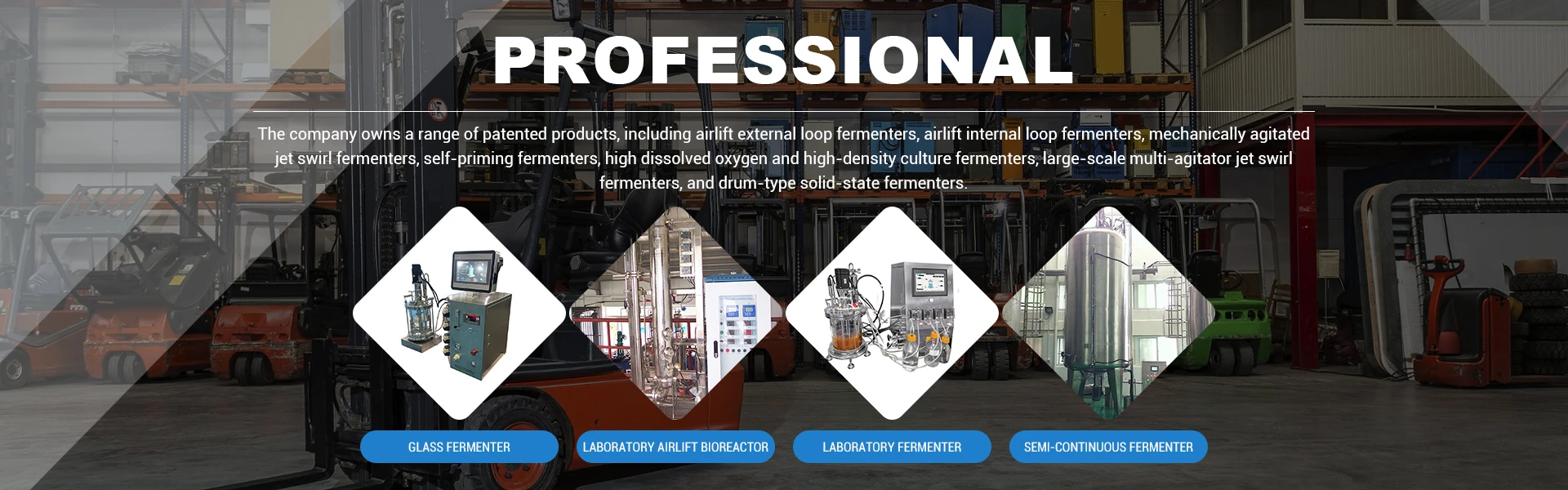
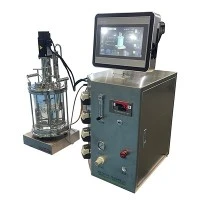
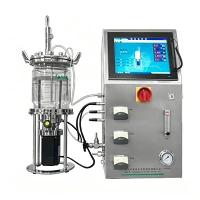
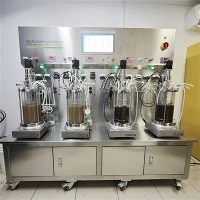
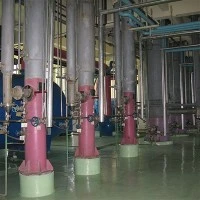
As biomanufacturing, food fermentation, biopharmaceutical production, and related industries continue to expand, industrial-scale fermenters have become essential equipment for large-scale biological production. Rather than functioning as a single mechanical unit, an industrial fermenter integrates the vessel with agitation, aeration, temperature regulation, pH control, feeding, foam management, and online monitoring systems. These components work together to create and maintain a controlled environment for microorganisms or cells throughout the fermentation process.
During operation, the culture medium and production microorganism or cell culture are introduced into the vessel. Depending on the process design, fermentation may be conducted in batch, fed-batch, or continuous mode. As the culture grows, microorganisms or cells consume nutrients and carry out metabolic activities, while generating products, heat, gases, and other changes within the system. Continuous process control is therefore required to maintain suitable cultivation conditions.
The agitation system provides the mechanical force needed for effective mixing. A motor drives the shaft and impellers, creating circulation throughout the culture. Proper agitation helps distribute nutrients more evenly and promotes uniform temperature and dissolved oxygen conditions. It also improves gas–liquid contact, which is particularly important for aerobic fermentation where oxygen transfer can affect microbial growth and product formation.
The aeration system supplies oxygen and other process gases. Gas enters the vessel through dedicated piping and is dispersed into the culture through an appropriate gas distribution system. In aerobic fermentation, the efficiency of oxygen transfer is closely linked to biological performance. Aeration can therefore be adjusted in combination with agitation to provide an appropriate oxygen supply as the culture develops.
Temperature and pH control systems help maintain a suitable environment for biological activity. Microbial metabolism can cause changes in temperature and pH during fermentation. Temperature sensors and heat-transfer systems regulate the culture temperature, while pH sensors and dosing systems help maintain the desired pH range according to the process requirements.
For fed-batch processes, an automated feeding system can introduce nutrients or substrates according to a predefined strategy. This allows nutrient availability to be adjusted as the culture moves through different growth stages. Foam-control systems can also be used when necessary to manage excessive foam and minimize its impact on aeration, monitoring, and equipment operation.
Throughout the process, online sensors and automated control systems continuously monitor parameters such as temperature, pH, dissolved oxygen, and liquid level. The control system compares measured values with predefined targets and adjusts the relevant operating parameters when necessary. This closed-loop approach reduces dependence on manual intervention and helps improve process consistency and repeatability.
Overall, industrial-scale fermenters rely on the coordinated operation of agitation, aeration, temperature control, pH regulation, feeding, and online monitoring to create a stable environment for large-scale biological cultivation. As automation, digitalization, and intelligent control technologies continue to advance, industrial fermentation systems will become increasingly precise and sophisticated, providing stronger support for efficient, stable, and scalable biomanufacturing.