

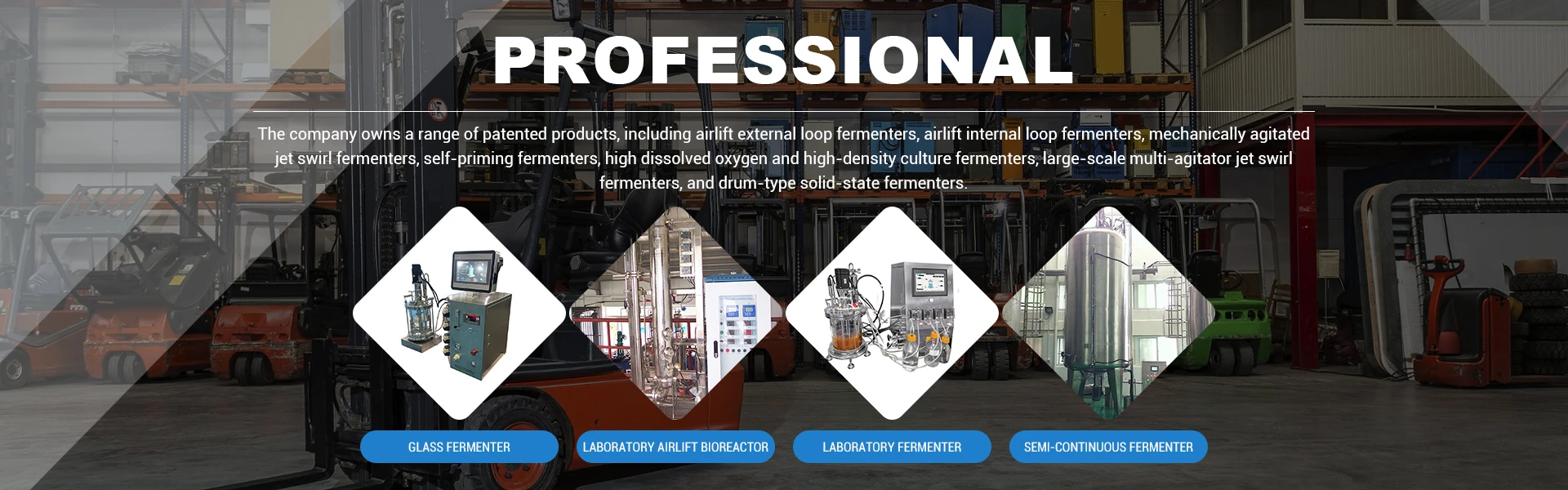
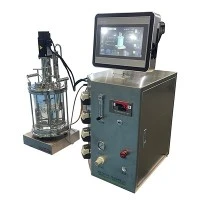
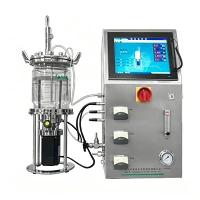
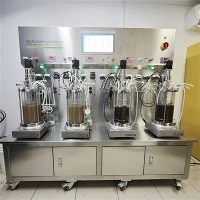
As biotechnology, fermentation engineering, and modern biomanufacturing continue to evolve, laboratory bioreactors have become essential equipment for bioprocess research in academic institutions, corporate R&D centers, and specialized laboratories. Beyond providing a controlled cultivation environment, modern laboratory bioreactors integrate process monitoring, automated control, and data recording capabilities to support experimental optimization and bioprocess development.
Precise environmental control is one of the fundamental functions of a laboratory bioreactor. During cultivation, the system can continuously monitor critical parameters such as temperature, pH, and dissolved oxygen and adjust operating conditions through heating, cooling, aeration, agitation, and acid or base addition. Maintaining stable process conditions helps minimize fluctuations and improve the consistency and reproducibility of experimental results.
Agitation and aeration are essential for maintaining effective mixing and gas transfer within the culture. The agitation system promotes the uniform distribution of nutrients, temperature, and dissolved oxygen throughout the vessel, while the aeration system supplies air or other process gases according to the requirements of the cultivation process. Coordinating these functions allows the bioreactor to provide suitable conditions for a wide range of microbial and cell culture applications.
Feeding and foam control are also important functions in many laboratory bioreactor systems. Nutrients can be added according to a defined feeding strategy, allowing researchers to regulate the availability of substrates throughout cultivation. When excessive foam develops, a foam-control system can respond accordingly, helping reduce potential interference with sensors, tubing, and the cultivation process.
Another valuable capability is real-time monitoring and data recording. Sensors and control software can continuously collect key process information, enabling researchers to observe changes throughout the cultivation cycle and adjust operating conditions when necessary. For repeated experiments or process comparison studies, comprehensive data records also improve traceability and facilitate more systematic analysis.
With the continued integration of automation, digital technologies, and intelligent process control, laboratory bioreactors are becoming increasingly sophisticated and adaptable. Flexible modular configurations and more precise control strategies will allow these systems to better address the needs of microbial fermentation, cell culture, food fermentation, and broader bioprocess development. As a result, laboratory bioreactors will continue to serve as important platforms for biotechnology research, process optimization, and the transition of innovative bioprocesses toward industrial application.