

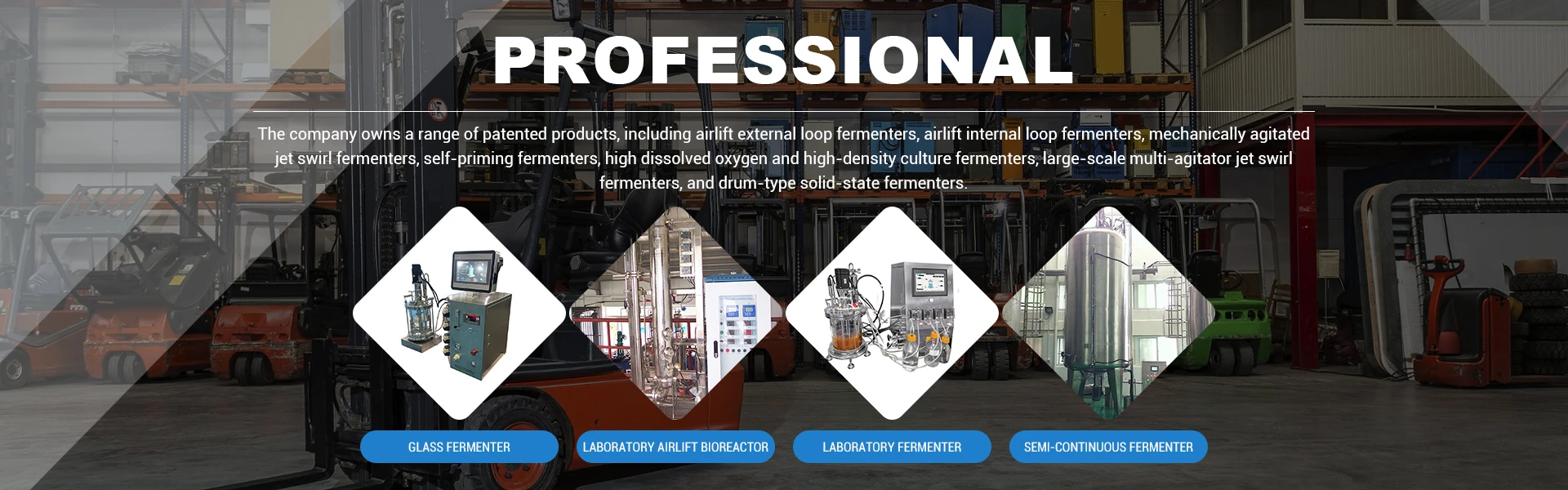
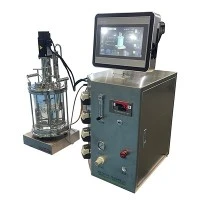
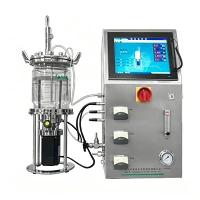
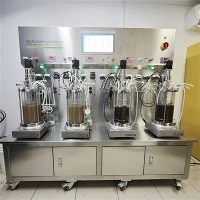
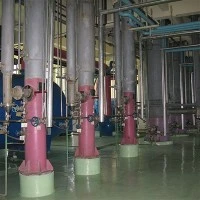
As biotechnology, fermentation engineering, and modern biomanufacturing continue to evolve, laboratory bioreactors are increasingly used in scientific research, process development, and cultivation optimization. The structural design of a bioreactor has a direct impact on mixing performance, mass transfer, process control, and the reliability of experimental results. A well-designed configuration is therefore essential for achieving stable and efficient bioprocess operation.
A typical laboratory bioreactor consists of a culture vessel, agitation system, aeration system, temperature control unit, sensors, and automated control system. The culture vessel forms the core of the equipment and provides a controlled space for the culture medium and biological materials. Depending on the application, the vessel can be supplied in different working volumes and configurations, with dedicated ports for feeding, sampling, harvesting, and other process operations.
The agitation system is a key structural component. Rotating impellers keep the culture medium thoroughly mixed, helping distribute nutrients, temperature, and dissolved oxygen throughout the vessel. Proper agitation design can also improve gas–liquid mass transfer, which is particularly important for aerobic cultivation. The impeller configuration and operating conditions need to be selected according to the characteristics of the biological system and the requirements of the process.
The aeration and temperature control systems work together to maintain a suitable cultivation environment. The aeration system supplies air, oxygen, or other process gases and allows the gas flow rate to be adjusted according to process requirements. The temperature control system maintains the desired culture temperature through heating or cooling, creating stable conditions for microbial or cell growth.
Laboratory bioreactors are also equipped with a range of online sensors and monitoring components. These devices can continuously measure important process parameters such as temperature, pH, and dissolved oxygen. Based on sensor feedback, the control system can adjust agitation, aeration, temperature, feeding, and other operating conditions. Depending on the application, additional functions such as foam control, nutrient feeding, and liquid-level monitoring can also be integrated into the system.
Overall, laboratory bioreactors feature a modular and integrated structure with precise process control. The coordinated operation of different functional modules allows a single system to support a broad range of cultivation and fermentation experiments. As automation and digital technologies become increasingly integrated into bioprocess equipment, laboratory bioreactors are expected to become more compact, intelligent, and configurable, providing researchers with increasingly reliable platforms for bioprocess development and scale-up studies.