

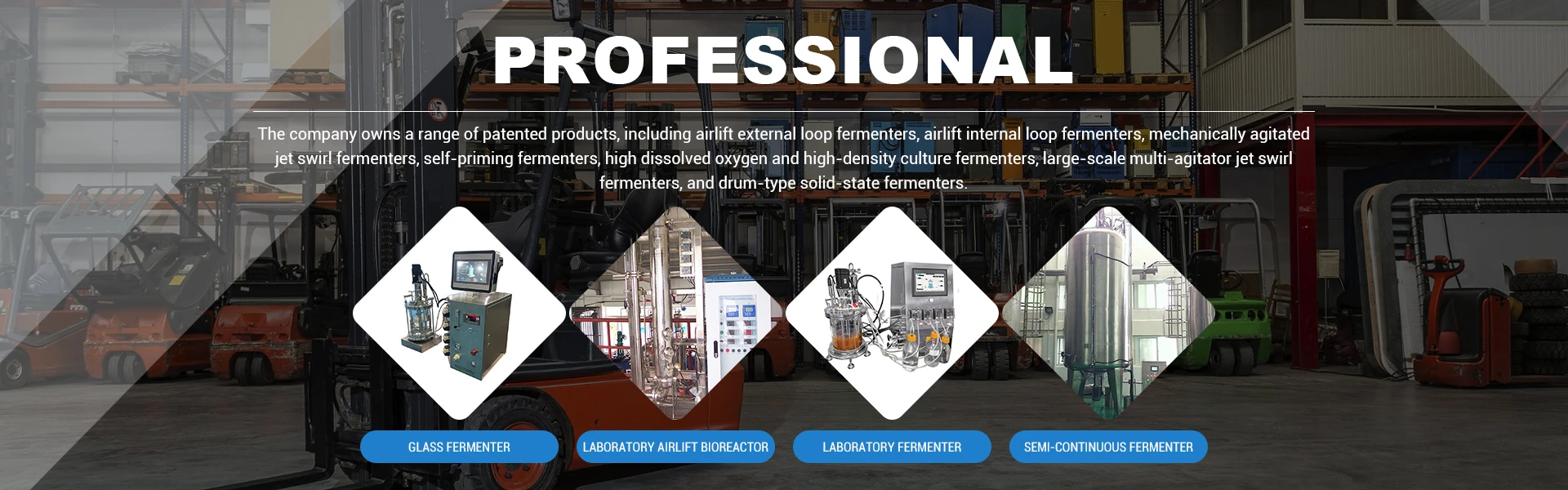
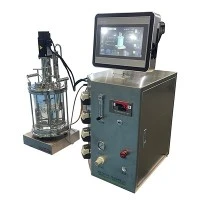
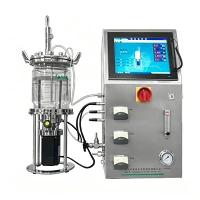
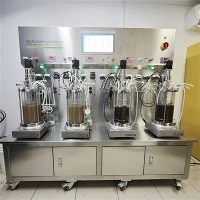
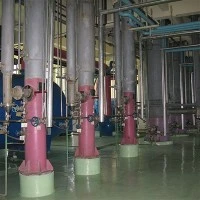
Laboratory bioreactors are specialized systems designed for the cultivation and fermentation of microorganisms, animal cells, plant cells, and other biological materials. Their key advantage over conventional cultivation methods is the ability to maintain a controlled environment while continuously monitoring critical process conditions. This enables researchers to obtain more consistent and reproducible experimental data.
A laboratory bioreactor works by placing the culture medium and selected microorganisms or cells inside a controlled vessel. During operation, an integrated system manages agitation, aeration, temperature, and other process conditions. Sensors continuously measure parameters such as temperature, pH, and dissolved oxygen and transmit the data to the control system. When a measured value moves away from its target range, the system can automatically adjust heating or cooling, agitation speed, gas flow, or acid and base addition to maintain suitable conditions for the culture.
Agitation and aeration play particularly important roles in cultivation. The agitation system keeps the culture medium well mixed, helping distribute nutrients and oxygen throughout the vessel while improving gas–liquid mass transfer. In aerobic processes, air or oxygen is introduced through the gas delivery system, while a dissolved oxygen sensor continuously monitors oxygen availability in the culture. If the dissolved oxygen level begins to fall, the control system can increase agitation, adjust the gas flow rate, or modify the composition of the incoming gas to meet the oxygen requirements of the culture.
Temperature and pH are also essential parameters in biological cultivation. Different microorganisms and cell lines require specific environmental conditions for optimal growth and productivity. Laboratory bioreactors allow researchers to define appropriate operating parameters and maintain them automatically throughout the experiment. In some processes, nutrients can also be added gradually or at selected stages through controlled feeding, helping optimize cell growth and product formation.
By integrating multiple monitoring and control functions, laboratory bioreactors provide a more precise way to study biological cultivation processes. The resulting data can support culture optimization, process development, parameter selection, and subsequent scale-up studies. As automation, online monitoring, and digital control technologies continue to advance, laboratory bioreactors are becoming more precise, intelligent, and efficient, providing valuable equipment support for research in biotechnology, food fermentation, pharmaceutical development, and modern biomanufacturing.