

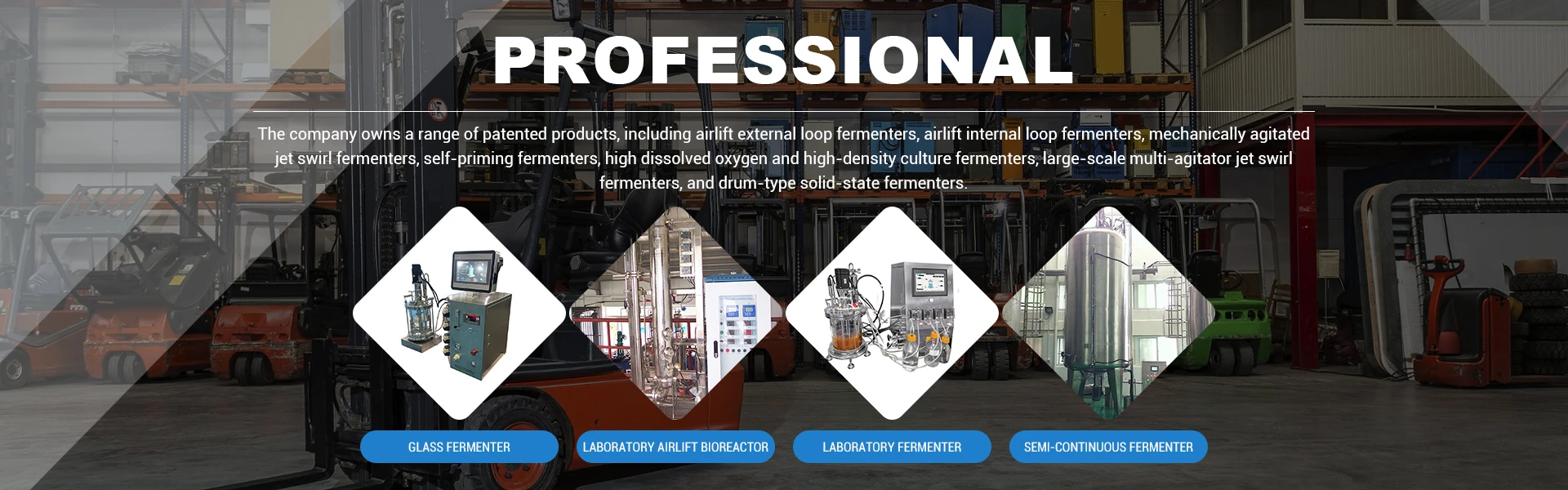




As biotechnology, fermentation engineering, and biomanufacturing continue to advance, laboratory bioreactors are being used across an increasingly broad range of research applications. Biological processes can have very different requirements for temperature, pH, dissolved oxygen, agitation, aeration, and nutrient supply. As a result, laboratory bioreactors are available in a variety of designs, each suited to particular cultivation strategies and research objectives.
Based on the type of biological system being cultivated, laboratory bioreactors are commonly used for microbial, mammalian, and plant cell cultures. Microbial processes often require careful control of agitation, aeration, temperature, pH, and dissolved oxygen. Mammalian and other sensitive cell cultures may place greater emphasis on gentle mixing, low shear conditions, and stable environmental control. The bioreactor configuration therefore needs to be selected according to the biological characteristics of the culture.
Laboratory bioreactors can also be distinguished by their mixing and reactor design. Common configurations include stirred-tank and airlift bioreactors, along with specialized reactor designs developed for specific applications. Stirred-tank systems use an impeller to mix the culture medium and can be combined with controlled aeration to enhance oxygen transfer. Airlift systems rely primarily on gas-driven circulation rather than mechanical agitation and can be advantageous for processes where minimizing mechanical shear is important.
Another way to classify laboratory bioreactors is by their mode of operation. Batch, fed-batch, and continuous systems are widely used in bioprocess research. Batch cultivation involves adding the required medium and biological material before the process begins and is commonly used for fundamental studies and routine process development. Fed-batch cultivation allows nutrients or other substrates to be added during the process according to a defined feeding strategy. Continuous cultivation involves ongoing medium addition and culture removal, maintaining the system under relatively stable operating conditions for specific research applications.
Laboratory bioreactors are also available in different working volumes and configurations to support various stages of research. Small-scale systems are useful for strain screening, culture condition studies, and preliminary process validation. Parallel or multi-vessel bioreactor systems allow researchers to evaluate several experimental conditions simultaneously, making them particularly useful for process optimization and comparative studies.
Selecting the right laboratory bioreactor requires consideration of the biological system, process characteristics, experimental scale, and control requirements. Capacity alone is not sufficient to determine the most suitable configuration. As automation, digital monitoring, and advanced process control continue to develop, laboratory bioreactors will become increasingly flexible and intelligent, providing valuable platforms for microbial fermentation, cell culture, food biotechnology, and modern bioprocess development.