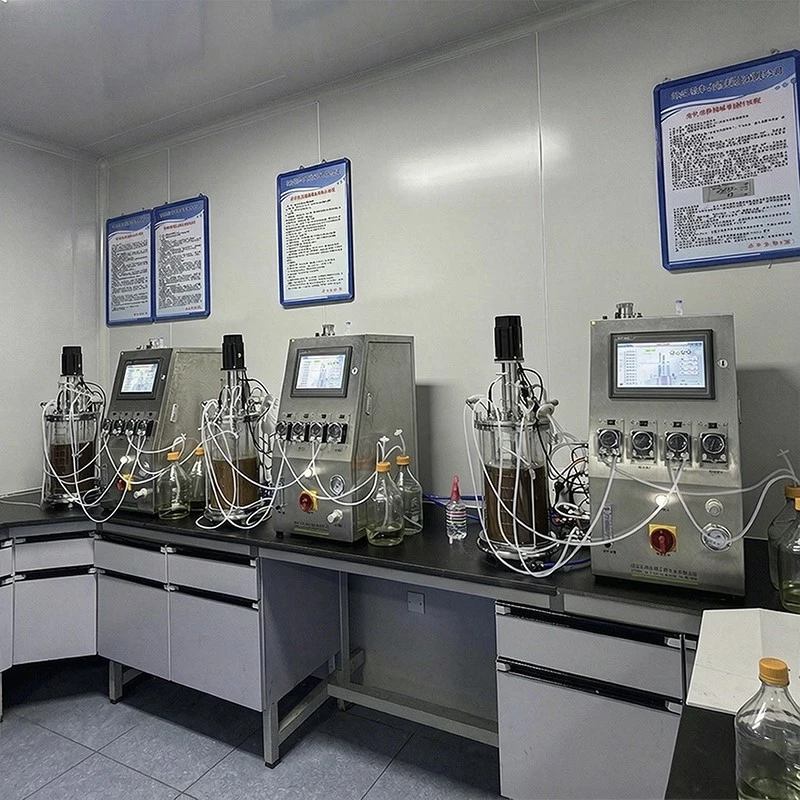

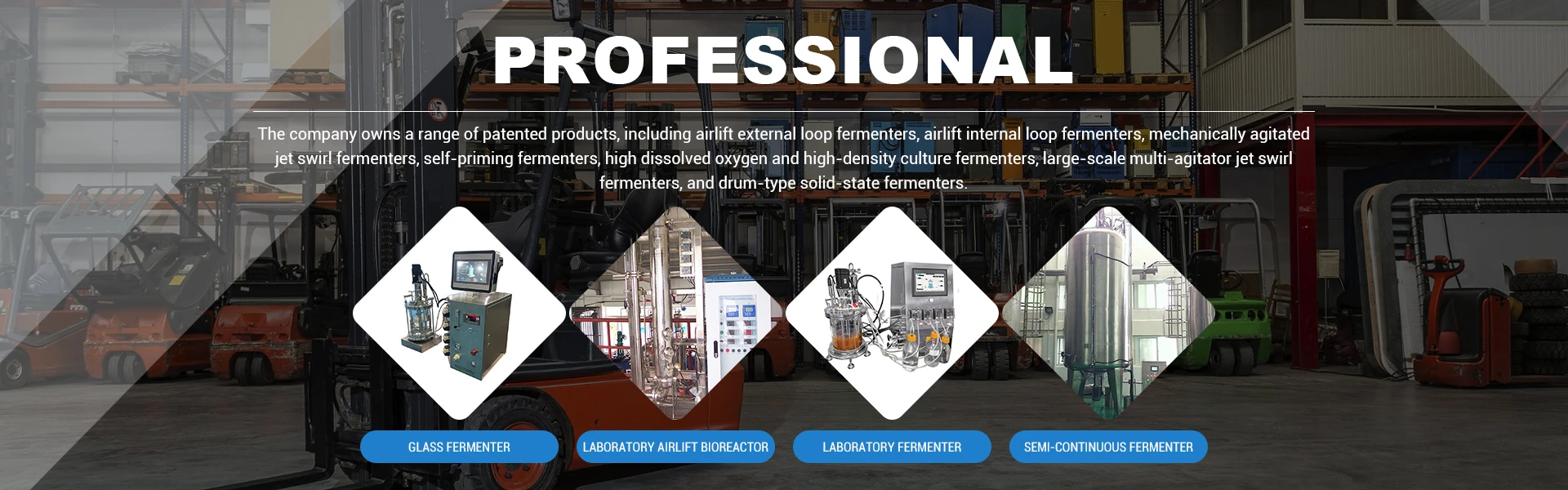




As synthetic biology, cell culture, biopharmaceuticals, and sustainable biomanufacturing continue to advance, research and development in next-generation bioreactor technology is becoming increasingly sophisticated and diverse. As a critical interface between biological processes and production equipment, modern bioreactor development extends well beyond basic cultivation functions. It encompasses fluid dynamics, mass transfer, sensing, automation, materials engineering, and digital process management. The integration of these technologies is driving bioreactors toward higher performance, greater intelligence, and more flexible architectures.
Mixing and mass-transfer technology is a central area of bioreactor development. During cultivation, oxygen and nutrients must be distributed effectively while metabolic by-products need to be removed from the culture environment. Engineers optimize vessel geometry, agitation components, and gas-distribution systems to improve fluid circulation and gas–liquid contact. These advances can help address mixing and oxygen-transfer challenges that become more significant as cultivation processes are scaled up.
Online sensing and process monitoring are also essential technologies. Modern bioreactors can incorporate sensors for temperature, pH, dissolved oxygen, pressure, liquid level, and other process variables. As sensing technologies continue to improve, more process information can be collected in real time, providing a stronger data foundation for process decisions and automated control.
Automation and control technology is further transforming how bioreactors operate. Controllers, actuators, and software platforms can work together to regulate agitation, aeration, feeding, temperature, pH, and other operating parameters. Compared with highly manual operation, automated control can reduce process variability caused by human intervention and improve consistency between production runs.
Digitalization and data analytics are becoming increasingly important in bioreactor development. By collecting and analyzing operating data from multiple batches, manufacturers can identify process trends and obtain useful information for parameter optimization and equipment management. With more advanced analytical approaches, future bioreactor systems may support increasingly sophisticated process prediction and equipment-state monitoring.
In addition, advanced materials and modular design are attracting growing attention. Materials used in bioreactors need to provide suitable mechanical and chemical performance while supporting cleaning, maintenance, and biological process requirements. Modular architectures can allow functional units to be configured according to different cultivation scales and applications, improving system flexibility and future expandability.
Overall, next-generation bioreactor development encompasses a broad range of technologies, including mixing and mass transfer, online monitoring, automated control, digital data management, materials engineering, and modular system design. As these technologies become increasingly integrated, bioreactors are expected to offer greater process controllability, broader application flexibility, and more advanced intelligent capabilities, providing important equipment support for the continued development of modern biomanufacturing.