

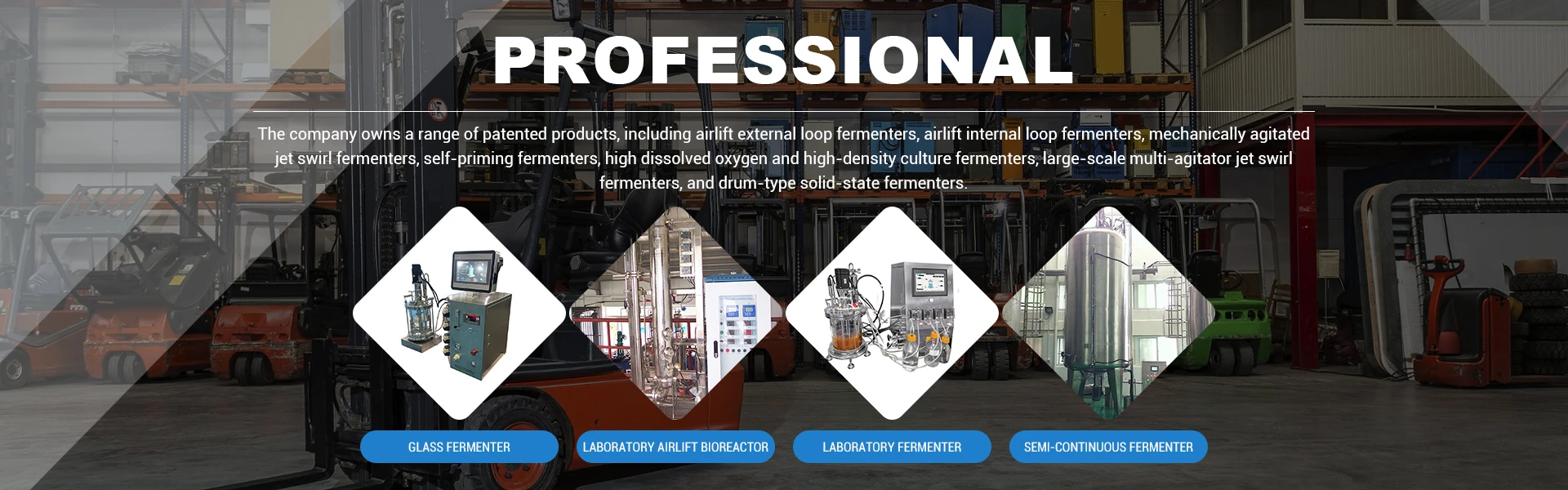




As laboratory bioreactors become increasingly important in microbial cultivation, cell culture, and fermentation process development, proper operation has become essential for achieving efficient experiments and reliable data. Unlike conventional cultivation methods, bioreactors provide precise control over parameters such as temperature, pH, dissolved oxygen, agitation speed, and aeration. Making the most of these capabilities requires an operating approach that reflects the characteristics of the biological system and the objectives of the experiment.
Good pre-experiment preparation provides a solid foundation for successful operation. Researchers should confirm that the selected vessel volume, agitation components, sensors, tubing, and other accessories are appropriate for the planned process. The equipment should be inspected before use, and sensors should be checked to ensure that they are functioning correctly. Setting the initial process parameters in advance can also reduce unnecessary adjustments once cultivation begins.
During cultivation, it is often beneficial to adjust process parameters gradually. Temperature, pH, dissolved oxygen, and agitation can influence one another, so making large changes to several parameters at the same time can make it difficult to determine the cause of a change in culture behavior. A more controlled approach is to optimize parameters step by step while observing real-time process data and the response of the culture.
Managing agitation and aeration effectively is another important consideration. Insufficient agitation may result in poor mixing, while excessive agitation can increase shear stress or contribute to excessive foam formation in certain processes. Aeration should likewise be adjusted according to the biological system and process requirements. For aerobic cultures, agitation and gas flow can be coordinated based on dissolved oxygen measurements to maintain an appropriate oxygen supply.
For experiments involving nutrient feeding, feeding rate and timing should be carefully controlled. Excessive feeding may alter the culture environment or lead to substrate accumulation, while insufficient feeding can limit growth or product formation. Developing an appropriate feeding strategy based on process data allows researchers to better understand and optimize the cultivation process.
Consistent data collection and process observation are also essential. In addition to recording temperature, pH, and dissolved oxygen, researchers should monitor changes in agitation, aeration, feeding, and foam formation when relevant. Comprehensive records make it easier to compare different experimental conditions and provide useful information for subsequent studies.
After cultivation, cleaning and equipment inspection should be completed promptly. The vessel, tubing, and related components should be cleaned according to the equipment's operating and maintenance requirements. Sensors, seals, connectors, and other critical components should also be inspected regularly to help maintain reliable equipment performance.
Developing good operating practices can significantly improve the stability of laboratory bioreactor experiments and the reliability of the resulting data. As automation and digital technologies continue to advance, combining standardized operation with systematic process management will allow laboratory bioreactors to deliver even greater value in bioprocess research and development.