

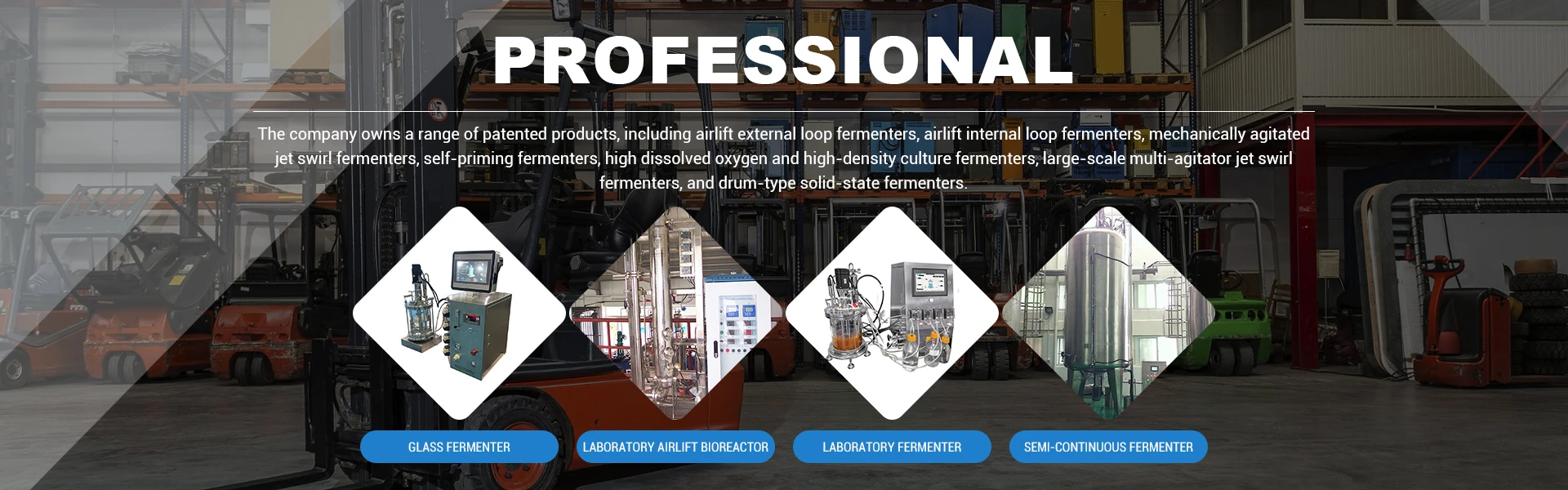




As biotechnology, fermentation engineering, and modern biomanufacturing continue to evolve, pilot-scale fermenters have become essential platforms for connecting laboratory research with industrial production. These systems incorporate a range of technologies, including agitation, aeration, temperature regulation, pH control, dissolved oxygen management, nutrient feeding, and online monitoring. Continuous advances in these areas are improving the reliability of process validation, parameter optimization, and scale-up studies.
Agitation and mixing technology is one of the core technologies used in pilot-scale fermentation. As vessel volume increases, maintaining uniform conditions throughout the culture becomes more challenging. The distribution of nutrients, temperature, and dissolved oxygen can be strongly affected by mixing performance. Engineers therefore need to consider vessel geometry, shaft design, and impeller configuration carefully to achieve effective circulation while managing energy consumption and avoiding excessive shear.
Aeration and oxygen transfer technology is equally important, particularly for aerobic microbial processes. Oxygen availability can directly influence cell growth and product formation. Properly designed gas delivery and distribution systems, combined with effective agitation, can improve gas–liquid contact and oxygen transfer. Online dissolved oxygen monitoring can further support dynamic adjustment of agitation and aeration according to the actual condition of the culture.
Temperature and pH control technologies help maintain a stable cultivation environment. Pilot-scale fermenters typically use temperature sensors together with heating or cooling systems to regulate culture temperature. pH sensors can work with controlled addition of acidic or alkaline solutions to maintain the desired range. Stable environmental conditions can reduce the impact of process fluctuations and support more consistent fermentation performance.
In the area of automation, online monitoring and intelligent process control are becoming increasingly important. Sensors can continuously collect data on temperature, pH, dissolved oxygen, and other process variables, while integrated control systems analyze the information and adjust operating conditions when necessary. Advanced platforms may also provide data logging, trend analysis, and parameter tracking, giving researchers a more complete understanding of process behavior and supporting subsequent optimization.
Feeding control and foam management technologies also play important roles in complex fermentation processes. Precise nutrient feeding can help match substrate availability with the changing requirements of the culture, while effective foam management can reduce the impact of excessive foam on aeration, monitoring, and equipment operation.
As digitalization, automation, and intelligent manufacturing technologies become increasingly integrated, pilot-scale fermenter technology is moving toward more precise control, data-driven operation, and system integration. Future developments in process monitoring and control will further enhance the ability of pilot fermentation systems to support efficient, stable, and scalable bioprocess development from laboratory research to industrial manufacturing.