

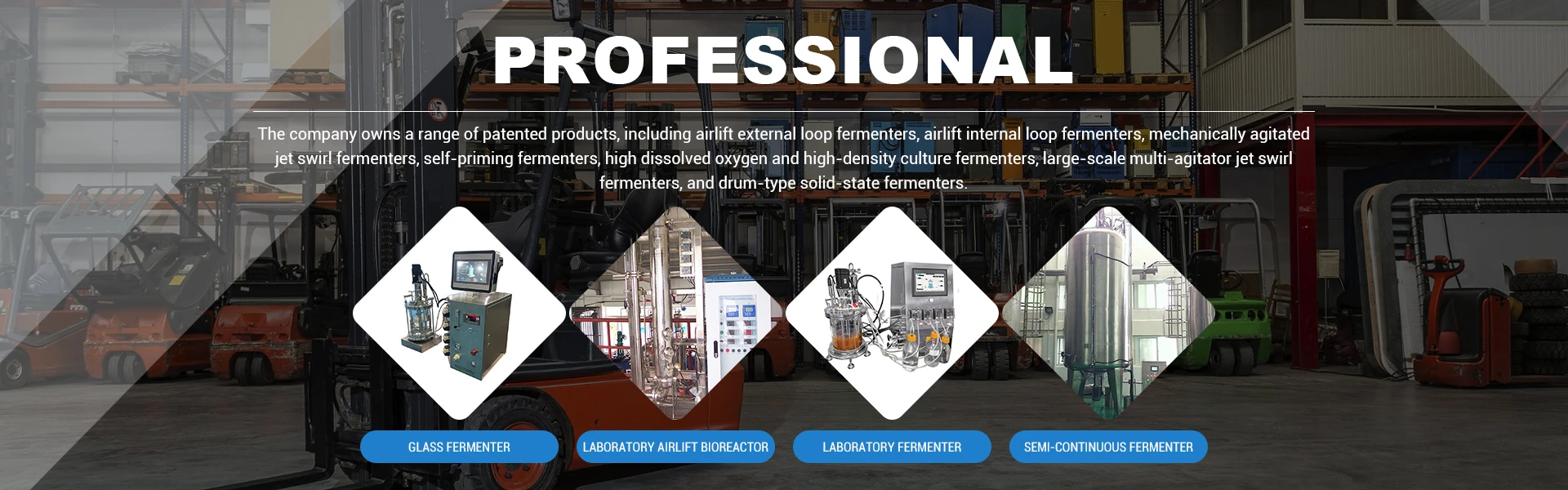
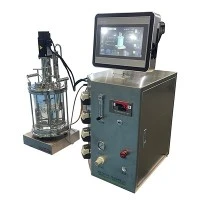
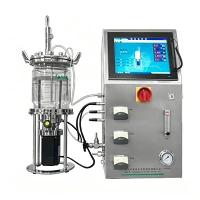
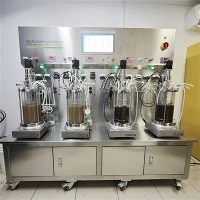
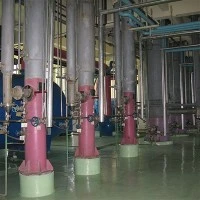
As biomanufacturing, food fermentation, biopharmaceutical production, and agricultural biotechnology continue to evolve, industrial-scale fermenters have developed far beyond their original role as simple cultivation vessels. Modern systems integrate cultivation, mixing, aeration, temperature regulation, pH control, nutrient feeding, foam management, online monitoring, and automated process control. These capabilities provide manufacturers with greater control over complex biological processes and create a reliable foundation for consistent large-scale production.
Cultivation and fermentation are the fundamental functions of an industrial-scale fermenter. The vessel provides a controlled environment for microorganisms, cells, or other biological systems and maintains suitable conditions for growth and metabolism. Depending on the process, temperature, pH, nutrient availability, and other parameters can be carefully managed to support biological activity and product formation.
Agitation and mixing help maintain uniform conditions throughout the culture. An industrial fermenter uses a motor-driven shaft and impellers to circulate the culture medium, promoting a more even distribution of nutrients, temperature, and dissolved oxygen. Effective mixing also improves gas–liquid contact, which is particularly important for aerobic processes that require efficient oxygen transfer.
Aeration and oxygen transfer are especially important in aerobic fermentation. The aeration system introduces air or other process gases into the vessel, while the agitation system promotes contact between the gas and liquid phases. Aeration and related operating parameters can be adjusted to meet the changing oxygen requirements of the culture throughout the fermentation cycle.
Industrial-scale fermenters also provide automated temperature and pH control. Sensors continuously monitor the culture environment, while heating, cooling, and pH adjustment systems help maintain critical parameters within predefined process ranges. Stable temperature and pH conditions can reduce process fluctuations and contribute to greater batch-to-batch consistency.
Nutrient feeding and foam management support more complex fermentation strategies. Automated feeding systems can deliver nutrients according to predefined process parameters, allowing nutrient availability to be adjusted as the culture progresses through different growth stages. Foam-control systems can help manage excessive foam and reduce its potential impact on aeration, sensors, and equipment operation.
Modern industrial fermenters also offer online monitoring and automated process control. Sensors can continuously collect information on temperature, pH, dissolved oxygen, pressure, liquid level, and other variables. Control systems analyze these measurements and adjust relevant operating conditions when necessary. Advanced platforms may also support data logging and process tracking, providing valuable information for process optimization, production management, and quality analysis.
Overall, industrial-scale fermenters combine cultivation, mixing, aeration, environmental regulation, feeding, foam management, and process monitoring within an integrated production platform. With continued advances in automation, digitalization, and smart manufacturing, these systems are expected to deliver increasingly precise control and greater integration, providing stronger technical support for stable, efficient, and scalable biomanufacturing.