





As biotechnology, fermentation engineering, and modern biomanufacturing continue to advance, pilot-scale fermenters have become essential tools for process validation, parameter optimization, and the transition from laboratory development to commercial production. Because different microorganisms, cell cultures, and fermentation products have distinct requirements for mixing, oxygen transfer, shear conditions, and environmental control, pilot-scale fermenters are available in a variety of configurations. Selecting the right system can significantly improve the efficiency and reliability of scale-up studies.
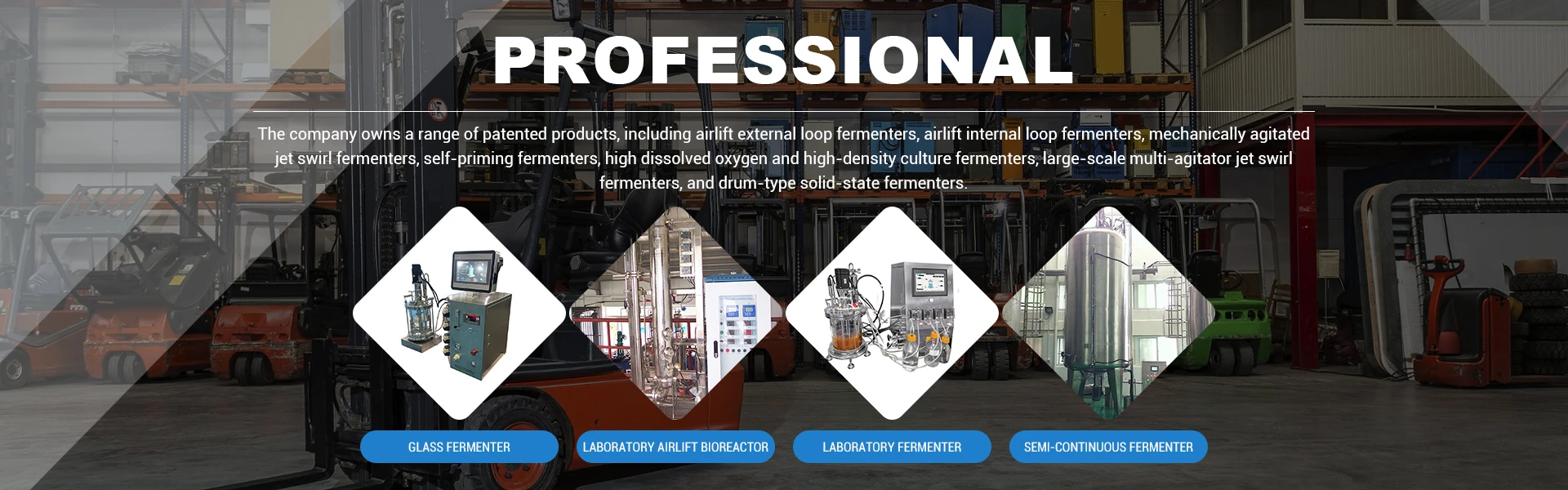
Based on agitation methods and reactor design, common pilot-scale configurations include stirred-tank and airlift fermenters. Stirred-tank systems use a motor-driven shaft and impeller to mix the culture medium and work with the aeration system to enhance oxygen transfer. Their strong process-control capabilities make them suitable for a wide range of microbial fermentation and bioprocess development applications. Airlift fermenters rely primarily on gas-induced circulation to move and mix the culture, reducing the need for mechanical agitation. This configuration can be advantageous for certain processes involving shear-sensitive biological systems.
Pilot-scale fermenters can also be classified according to their mode of operation, including batch, fed-batch, and continuous processes. In batch fermentation, the primary culture medium and inoculum are introduced before cultivation begins, making this approach suitable for process validation and research studies. Fed-batch operation allows nutrients or substrates to be added gradually according to a defined strategy and is particularly useful when substrate concentration or cultivation duration needs to be carefully managed. Continuous systems maintain ongoing medium addition and culture withdrawal to support relatively stable operating conditions and are used for specific continuous fermentation processes.
The type of biological culture is another important factor in selecting a pilot-scale fermenter. Systems may be configured for microbial, mammalian cell, or plant cell cultivation. Microbial fermentation often places greater emphasis on agitation, aeration, and dissolved oxygen control, while cell culture processes may require particularly stable environmental conditions and careful management of hydrodynamic shear. The vessel design, agitation system, and control strategy should therefore be selected according to the characteristics of the biological system.
Pilot-scale systems can also vary in their level of equipment integration and automation. Basic systems provide essential process-control functions, while modular and highly automated platforms can incorporate temperature, pH, dissolved oxygen, feeding, foam control, and online monitoring. These configurations allow researchers to select an appropriate level of process control according to their development objectives.
In practice, choosing a pilot-scale fermenter should involve more than simply considering vessel volume. Factors such as the biological system, process characteristics, oxygen transfer requirements, operating mode, and intended production scale should all be evaluated. As automation and digital technologies continue to develop, pilot-scale fermentation systems are expected to become increasingly modular, intelligent, and precise, providing stronger technical support for translating laboratory processes into scalable industrial production.