

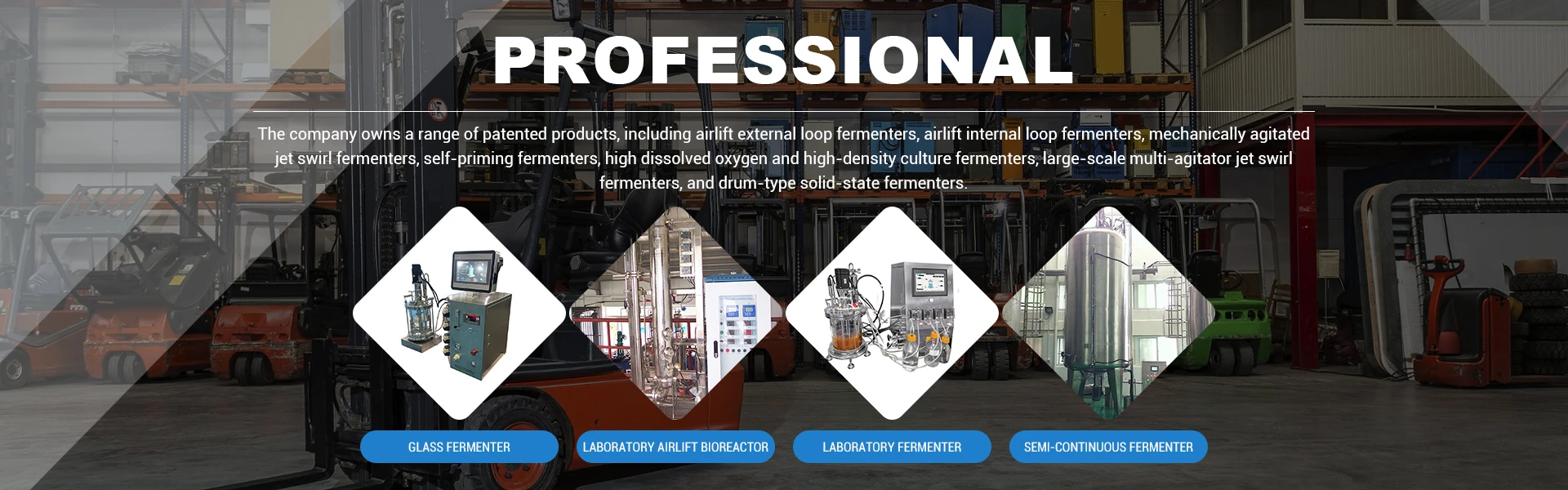




As biotechnology, fermentation engineering, and modern biomanufacturing continue to advance, laboratory bioreactors have become essential tools for bioprocess research and development. Compared with conventional cultivation methods, these systems provide a more stable and controllable environment while continuously monitoring critical process conditions. This enables researchers to optimize cultivation parameters and develop reliable bioprocesses with greater confidence.
One of the defining features of a laboratory bioreactor is precise process control. During cultivation, critical parameters such as temperature, pH, dissolved oxygen, agitation speed, and gas flow can be monitored and adjusted according to the requirements of the process. When operating conditions deviate from their target values, the control system can automatically respond to maintain an appropriate cultivation environment. Modern bioprocess systems commonly use integrated sensors and control software to monitor and regulate these parameters in real time.
Efficient mixing and mass transfer are also fundamental characteristics. The agitation system keeps the culture medium well mixed, helping maintain a more uniform distribution of temperature, nutrients, and dissolved oxygen throughout the vessel. The aeration system supplies air or other process gases and works together with agitation to promote gas–liquid mass transfer. For aerobic cultures, maintaining an appropriate dissolved oxygen level is particularly important because oxygen availability can directly affect cell and microbial growth. Depending on the process, dissolved oxygen can be regulated through agitation, gas flow, and gas composition.
Experimental flexibility is another important advantage of laboratory bioreactors. Depending on the biological system and process requirements, researchers can select different vessel volumes, agitation components, sensors, feeding systems, and control modules. This makes laboratory bioreactors suitable for a wide range of applications, including microbial cultivation, cell culture, fermentation development, and other bioprocess studies.
Laboratory bioreactors also offer continuous process monitoring and improved reproducibility. By recording parameters such as temperature, pH, and dissolved oxygen throughout the cultivation process, researchers can better understand process behavior and identify opportunities for optimization. The resulting data can also provide a valuable foundation for process development and subsequent scale-up studies.
With the growing adoption of automation, digital technologies, and online monitoring, laboratory bioreactors are becoming increasingly precise, efficient, and intelligent. Their combination of reliable process control, flexible configuration, and comprehensive monitoring makes them valuable platforms for research in biotechnology, food fermentation, pharmaceutical development, and modern biomanufacturing.