

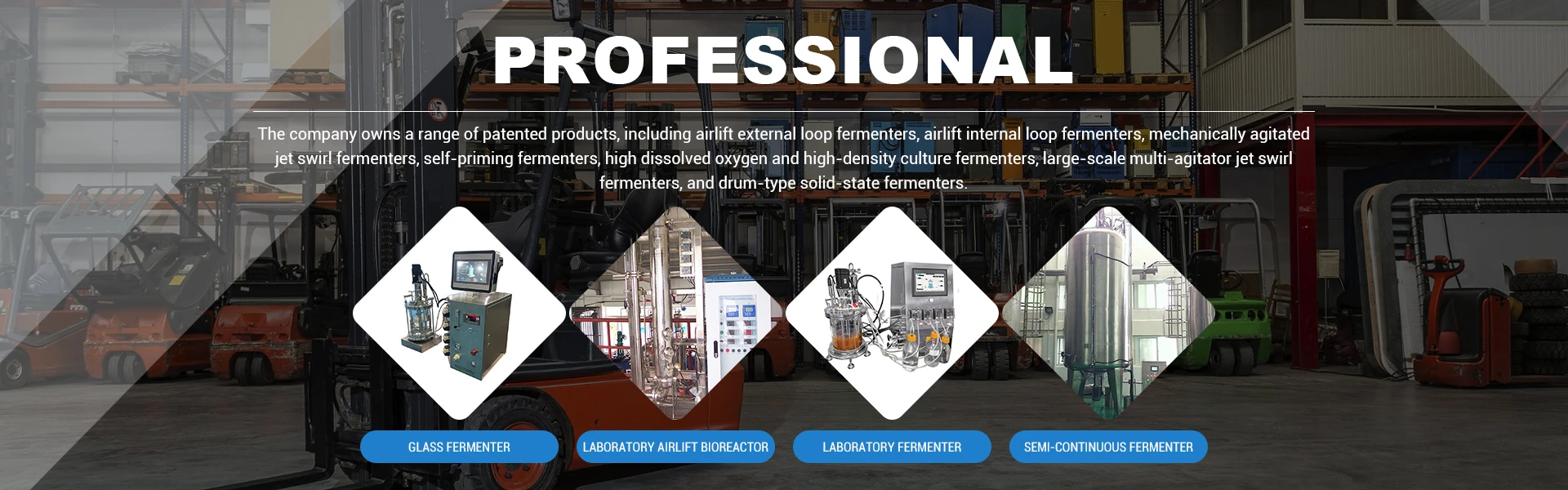




As biomanufacturing, food fermentation, biopharmaceutical production, and agricultural biotechnology continue to advance, industrial-scale fermenters are being developed for an increasingly diverse range of applications. Different processes require different levels of mixing, oxygen transfer, environmental control, and automation. As a result, industrial fermentation systems are available in a variety of configurations, each designed to address specific production requirements.
Based on operating mode, industrial fermentation systems can generally be categorized as batch, fed-batch, and continuous systems. In batch fermentation, the culture is processed within a defined production cycle, making it a well-established approach for many conventional manufacturing processes. Fed-batch fermentation allows nutrients or substrates to be added gradually or at specific stages according to the needs of the culture, providing greater flexibility in process control. Continuous fermentation involves continuously supplying fresh medium while removing a corresponding portion of the culture, allowing the system to operate under relatively stable conditions for processes suited to continuous production.
Based on agitation and gas–liquid mass transfer mechanisms, common industrial systems include mechanically stirred fermenters, airlift fermenters, and other specialized bioreactor configurations. Mechanically stirred fermenters use a motor-driven shaft and impellers to provide effective mixing and adjustable oxygen transfer, making them widely applicable across industrial processes. Airlift systems rely primarily on gas-driven circulation within the vessel. Their relatively simple design can make them suitable for certain cultures that are more sensitive to mechanical shear.
Industrial fermenters can also be designed according to the type of biological culture and intended application. Systems used for microbial fermentation typically emphasize efficient mixing, oxygen transfer, and nutrient delivery. Fermenters designed for animal or plant cell cultures may place greater emphasis on controlling shear conditions, maintaining a stable culture environment, and optimizing gas exchange. The biological characteristics of the culture therefore play an important role in determining the appropriate vessel design and control strategy.
In addition, industrial fermenters can be equipped with different temperature control, pH regulation, dissolved oxygen monitoring, feeding, foam management, and automation systems according to process requirements. Some systems can be integrated with process piping, cleaning systems, and sterilization equipment to create a more comprehensive production platform.
There is no single fermenter configuration that is suitable for every industrial process. Equipment selection should consider the biological system, production scale, process strategy, oxygen requirements, mixing characteristics, and desired level of automation. As biomanufacturing continues to develop, industrial fermentation systems are expected to become increasingly specialized, modular, and intelligent, providing more flexible equipment solutions for large-scale production across diverse industries.